PHILIPPINE ARCHIPELAGIC SEA LANES CENTER
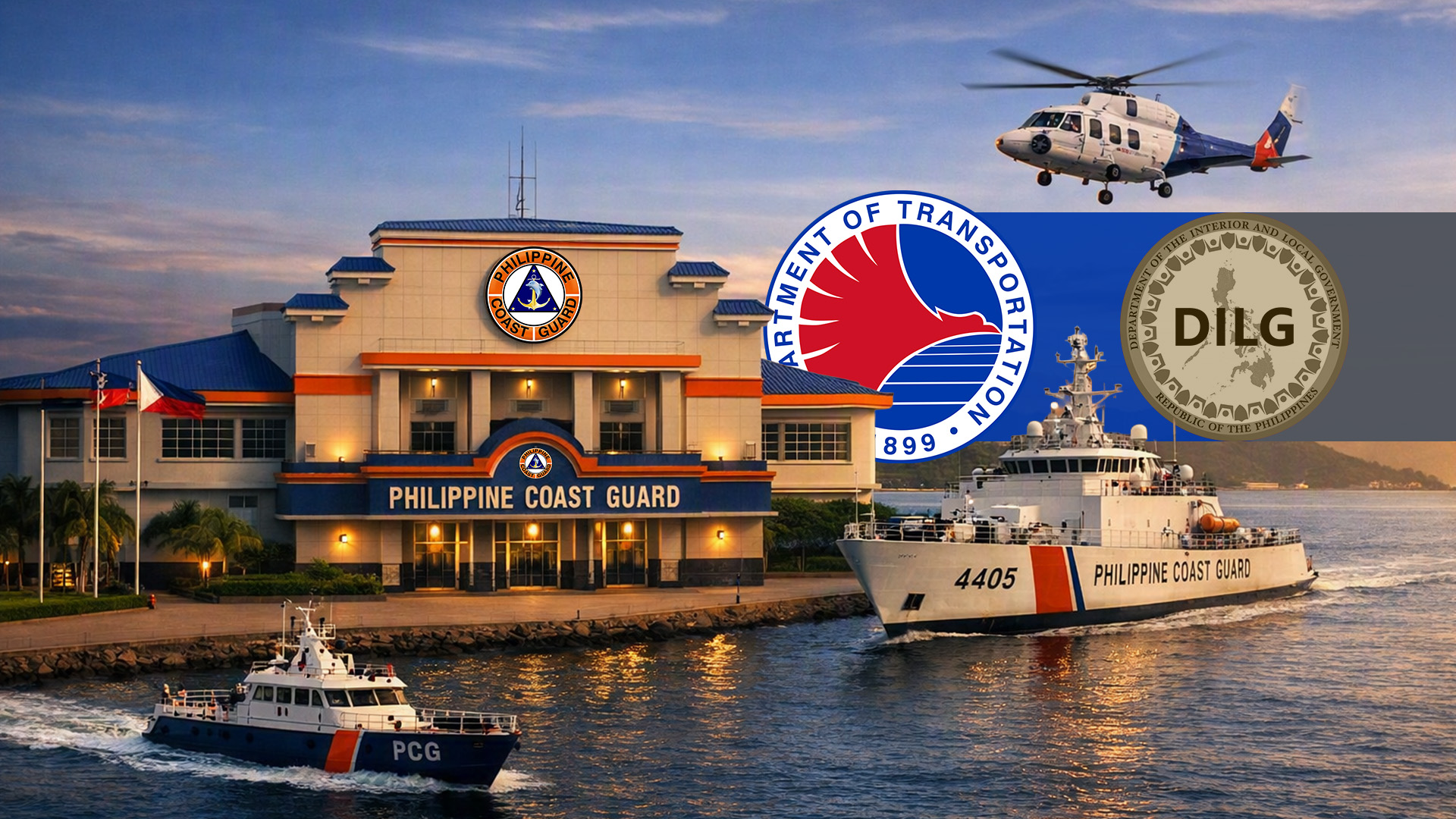
WHY THE PHILIPPINE COAST GUARD SHOULD REMAIN UNDER THE DEPARTMENT OF TRANSPORTATION
During the House budget deliberations on the Department of the Interior and Local Government (DILG), Secretary Jonvic Remulla raised the possibility of transferring the Philippine Coast Guard (PCG) and the Bureau of Immigration to the department, a proposal that warrants careful scrutiny because the PCG’s identity and daily work extend far beyond law enforcement. Although the PCG enforces maritime laws, policing is only one part of its mandate. Its everyday work is centered on maritime safety, vessel inspection, search and rescue, marine environmental protection, navigational services, and the implementation of international maritime rules.
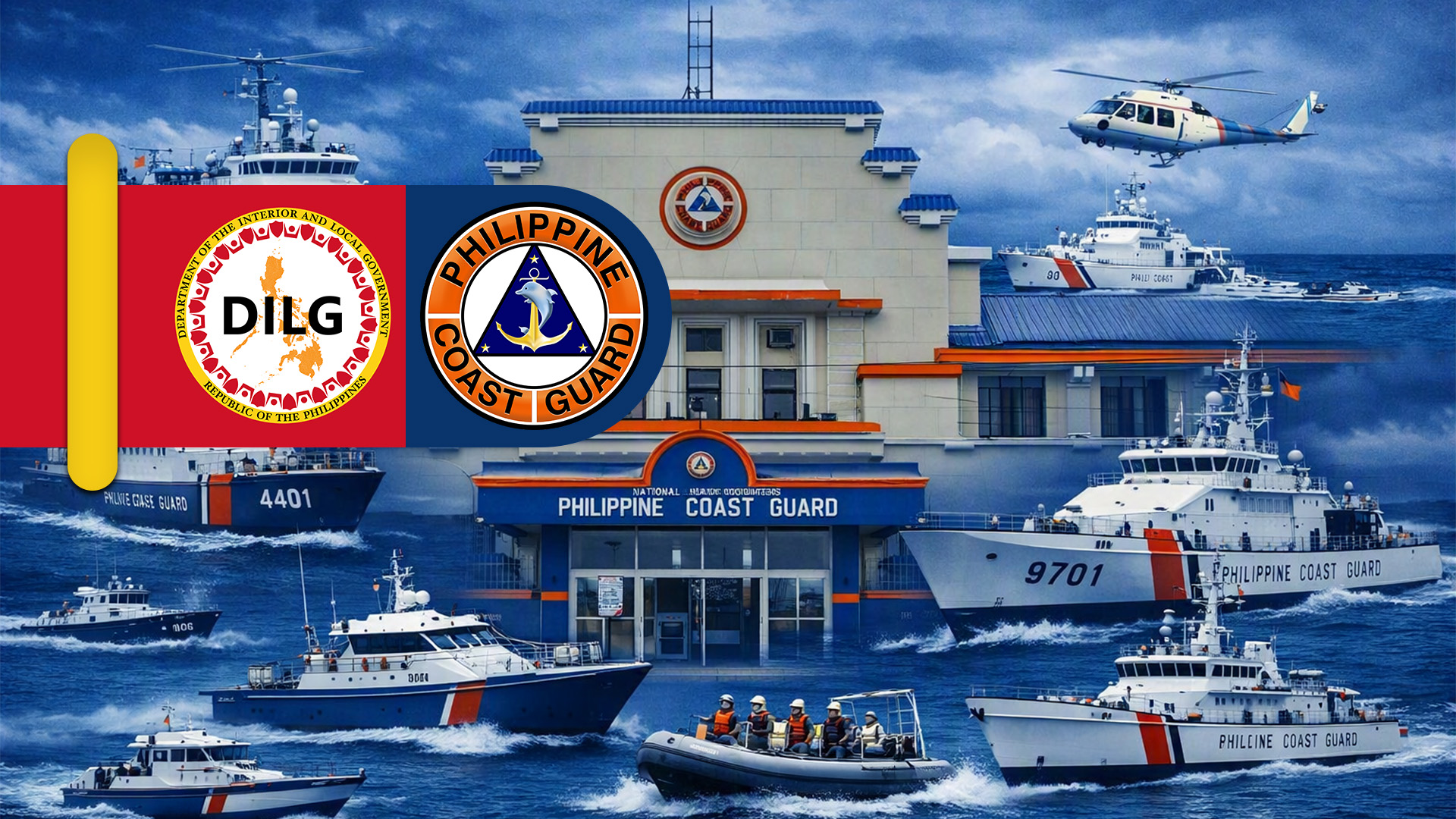
THE PHILIPPINE COAST GUARD, CHOOSING THE RIGHT INSTITUTIONAL HOME FOR STRONGER MARITIME GOVERNANCE
A PASLCI Perspective on the Proposed Transfer of the Philippine Coast Guard to the DILG
The continuing proposal to transfer the Philippine Coast Guard (PCG) from the Department of Transportation (DOTr) to the Department of the Interior and Local Government (DILG) should not be viewed simply as a question of administrative reorganization. At its core, it is a question of which institutional arrangement will best strengthen Philippine maritime governance.
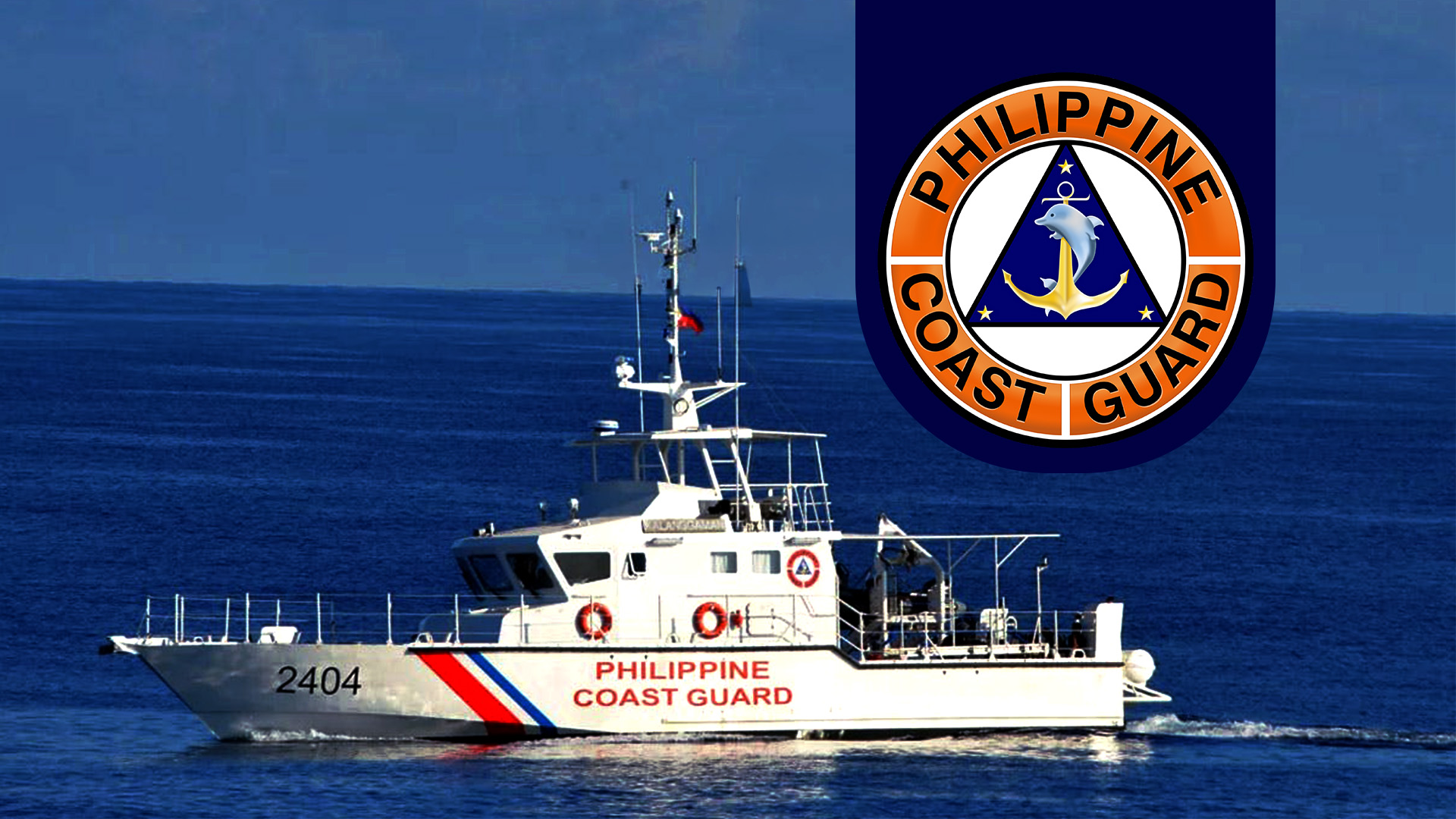
COMMAND MUST REMAIN WITH THE COMMANDANT BUT GOVERNANCE MUST PROTECT THE COAST GUARD
Harmonizing the Proposed Philippine Coast Guard Commission with the Senate and House Versions of the Revised PCG Law
The debate over the proposed Philippine Coast Guard Commission should not be framed as a choice between internal reform and external oversight. The more important question is how the proposed Commission can be harmonized with the Senate-approved Senate Bill No. 2116 and the current House version of the Revised Philippine Coast Guard Law, without creating overlapping authorities or weakening the Commandant’s command.
My position is straightforward:
Commandants should lead the Coast Guard, but the governance system should protect and continuously improve the Coast Guard.
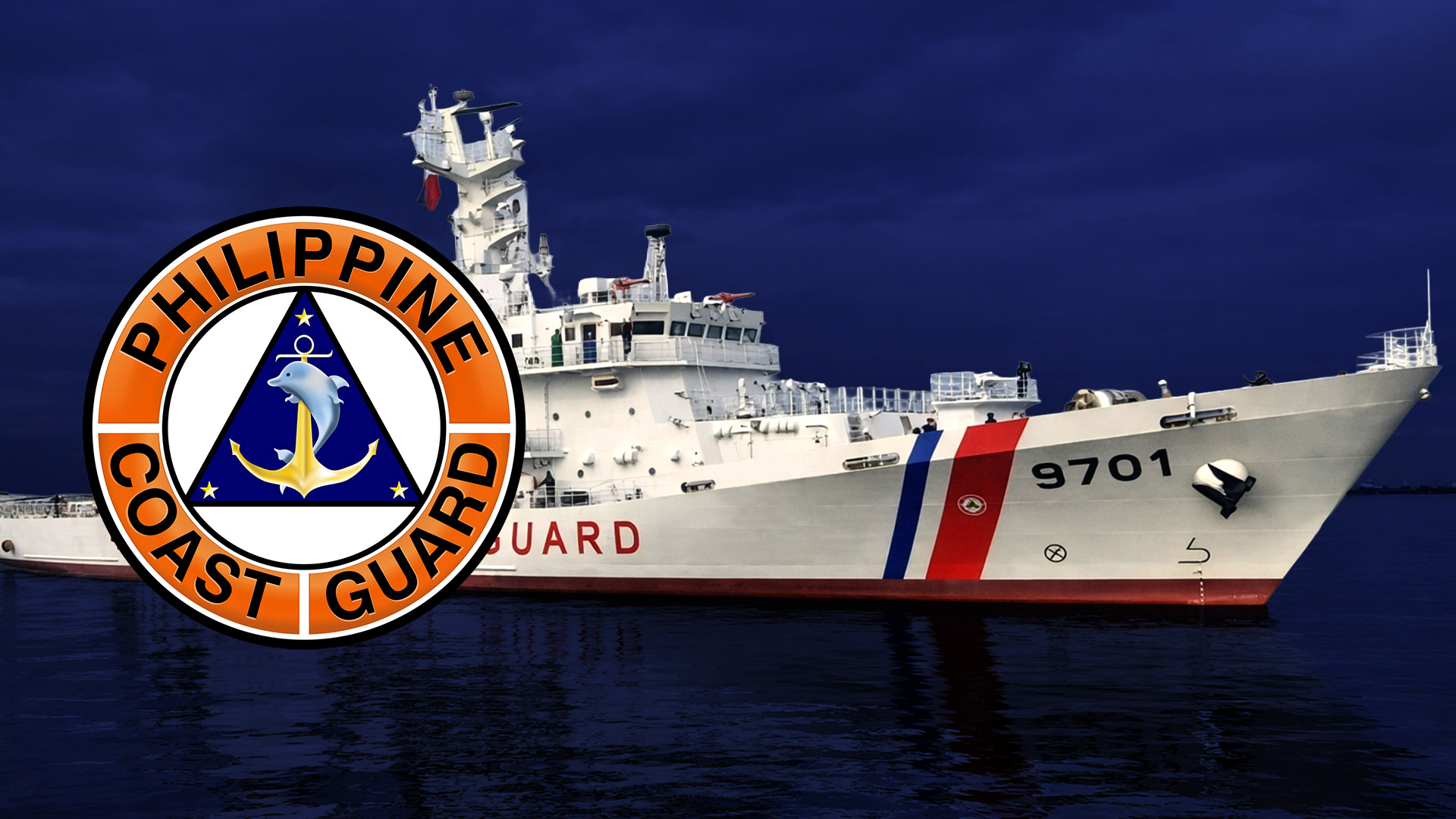
WHY THE COAST GUARD NEEDS A GOVERNANCE OVERHAUL
When the Philippine Coast Guard (PCG) was transferred to civilian authority in 1998, it had roughly 3,000 personnel. Today, it is a nationwide armed and uniformed service with an expanding fleet, a growing aviation arm and a mandate encompassing search and rescue, marine environmental protection, maritime law enforcement, disaster response, maritime domain awareness and the defense of Philippine sovereign rights at sea.
That is significant growth. But growth is not the same as maturity, and the harder question is one we have not yet asked as a nation: Has the system that governs the Coast Guard grown at the same pace as the Coast Guard itself?
I do not believe it has. The answer, I believe, is a Philippine Coast Guard Commission.
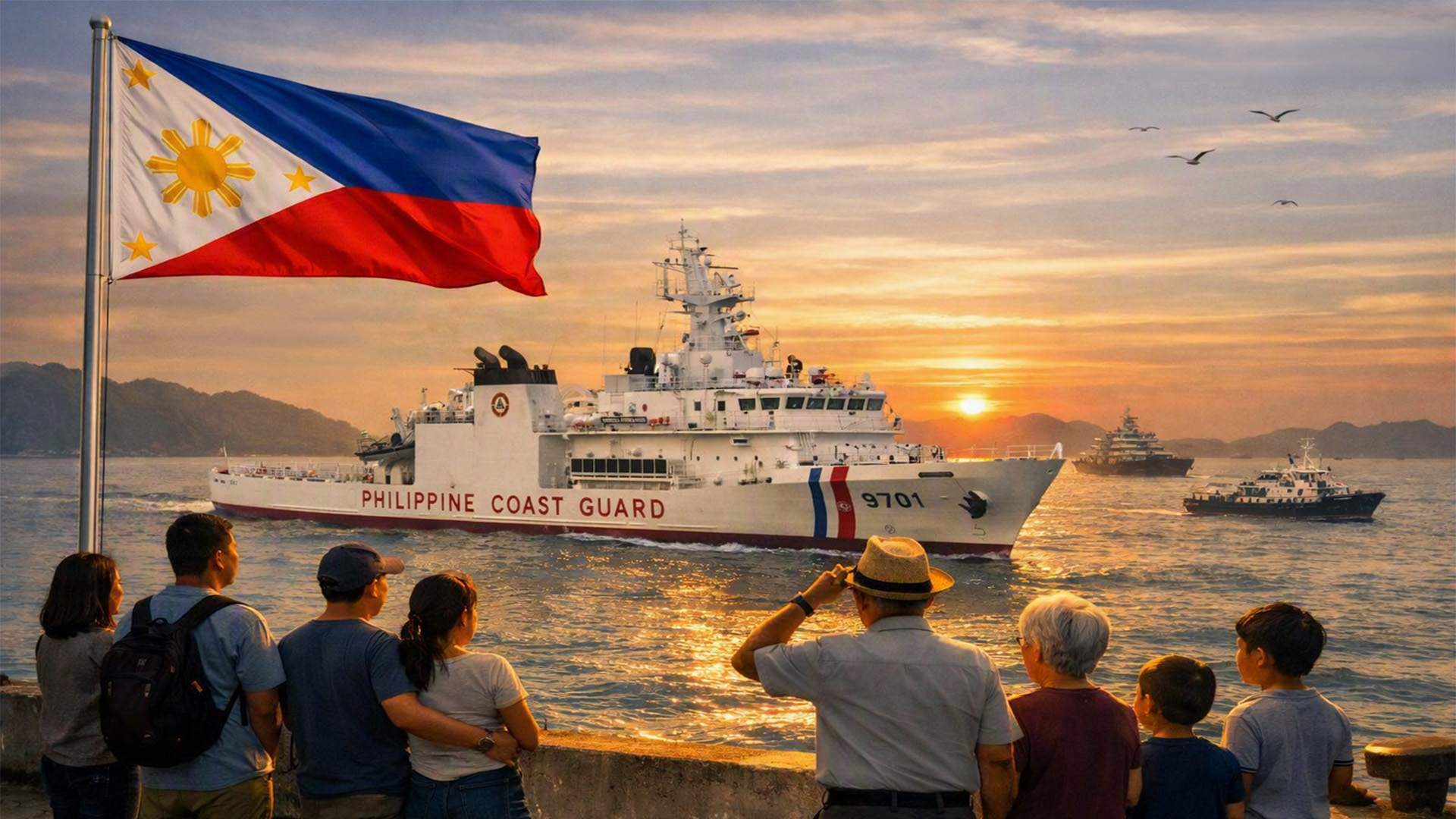
TIME TO TELL: I MADE THE RIGHT DECISION
A Reflection on MGen. Edgard A. Arevalo’s
“Carry On, Young Blood”
The article “Carry On, Young Blood,” authored by MGen. Edgard A. Arevalo, AFP (Ret.), was an enlightenment to me and a timely reminder that, indeed, I made the right decision.
Reading his reflections brought me back to a significant moment during my final years in active service with the Philippine Coast Guard.

THE DIGITAL BATTLEFIELD BEGINS AT HOME
Protecting Our Children from Online Gaming-Related Violence, Exploitation and Radicalization
“Protect the player. Protect the child. Protect the community. Protect the nation.”
I was fortunate to meet Mr. Angel Redoble, a respected cybersecurity expert, during an informal gathering with fellow members of PMA Class of 1994. Our conversation gave me a deeper understanding of an emerging threat that deserves the attention of every parent, educator, community leader and government official: the exploitation of online gaming and digital communities to reach, groom, manipulate and potentially radicalize vulnerable young people.
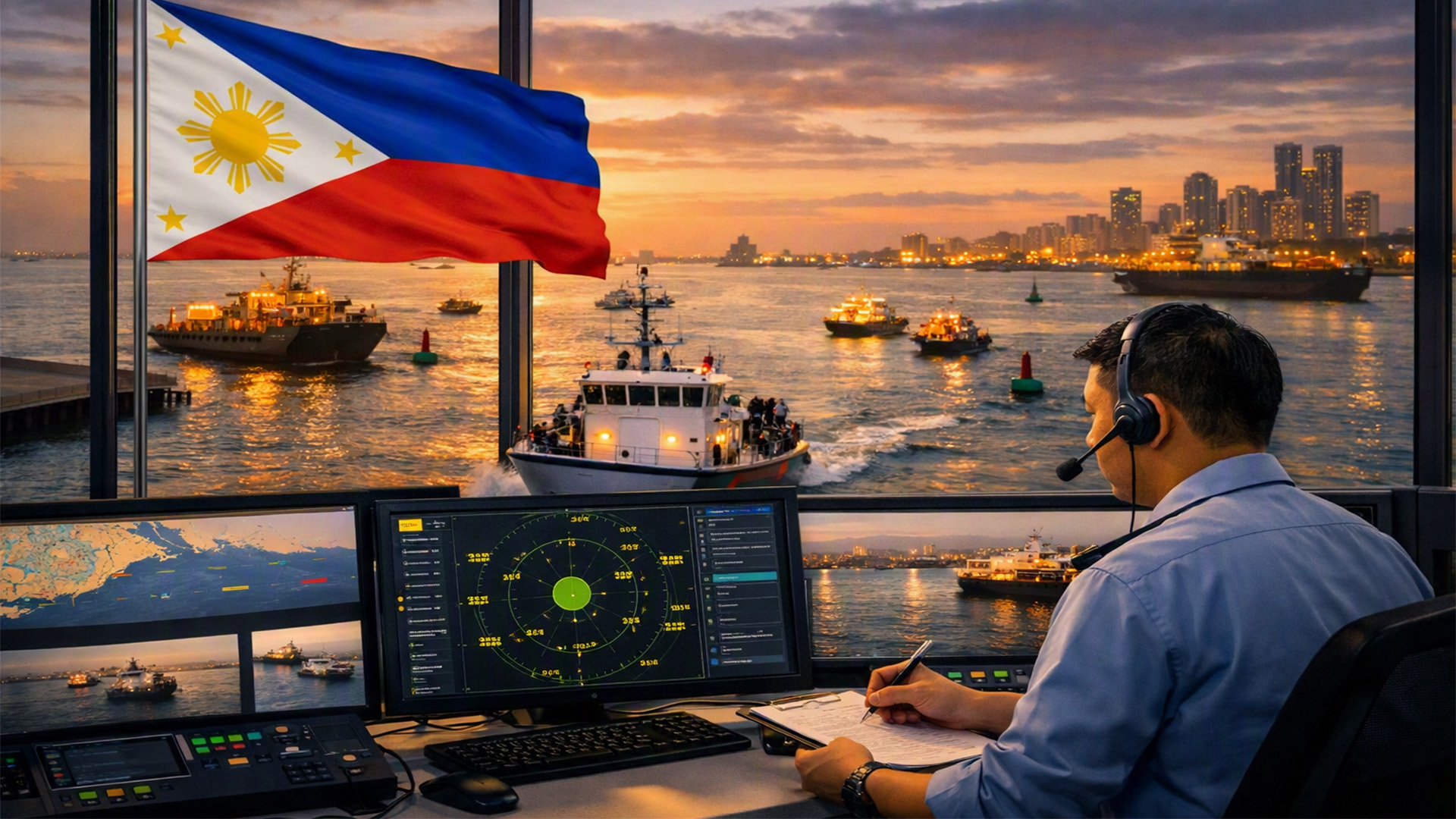
Manila Bay Must Remain Safe: Why Stopping Sea Robbery is a National Imperative; Protecting International Shipping, Strengthening Maritime Security, and Safeguarding the Philippines’ Global Reputation
For centuries, Manila Bay has been the Philippines’ principal maritime gateway to the world. Every day, hundreds of international merchant vessels carrying fuel, food, raw materials, manufactured goods, and other essential commodities transit or anchor within its waters. The uninterrupted movement of these ships is not merely a matter of commerce—it is vital to national economic security, regional supply chains, and international trade.
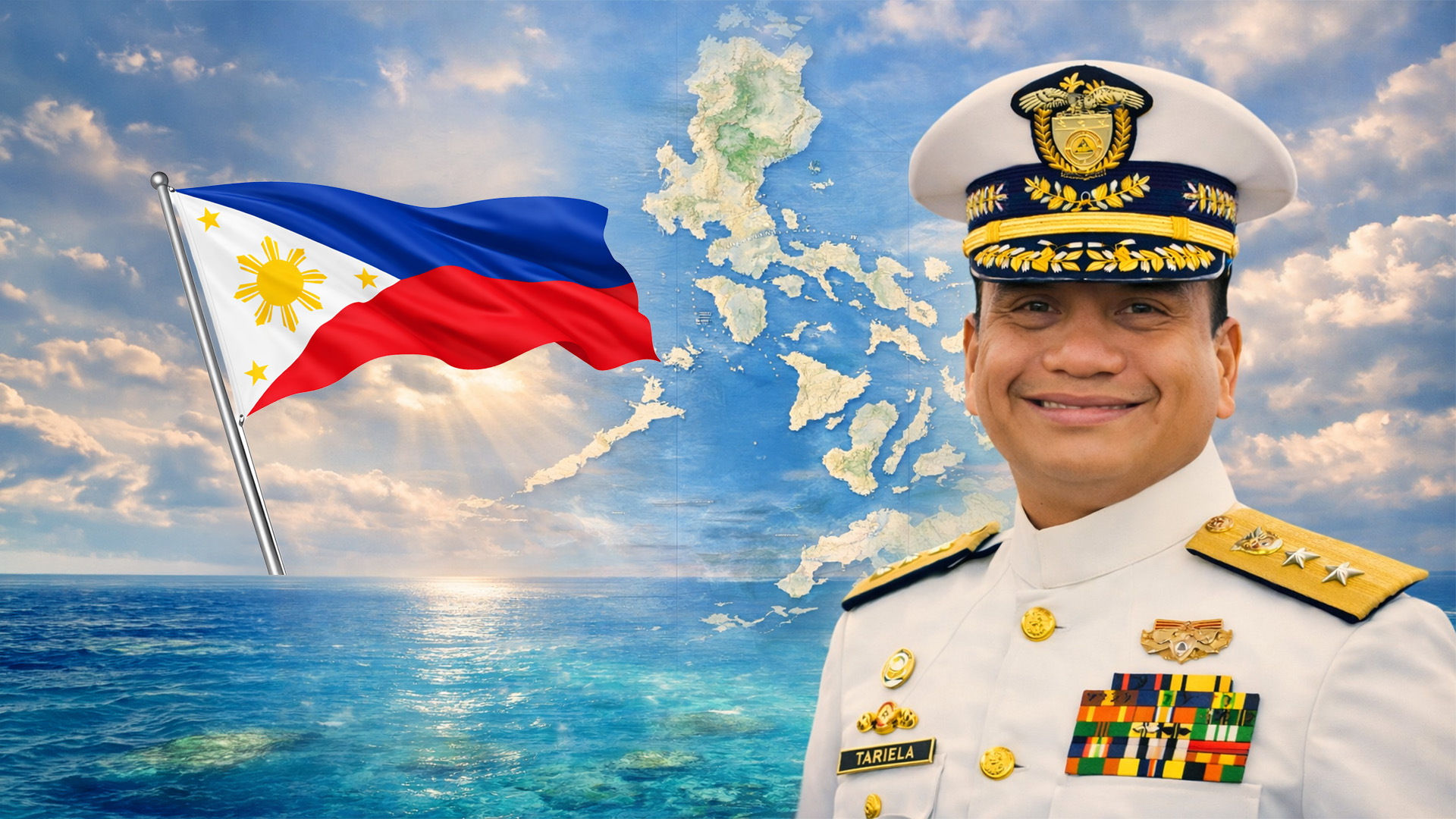
Transparency Is Not Propaganda: Why the Philippines Must Continue Telling the Truth in the West Philippine Sea
The recent public statements of Senator Robin Padilla, suggesting that the Philippine government’s transparency campaign in the West Philippine Sea (WPS) has evolved into “wartime propaganda” and attributing its escalation to Philippine Coast Guard spokesperson Rear Admiral Jay Tarriela, have sparked a national conversation that extends beyond personalities. At its core, the issue is whether the Philippines should openly communicate the realities occurring within its maritime domain or remain silent in the face of persistent coercive actions. This is not merely a communications issue—it is a matter of national policy, sovereign rights, and strategic governance.
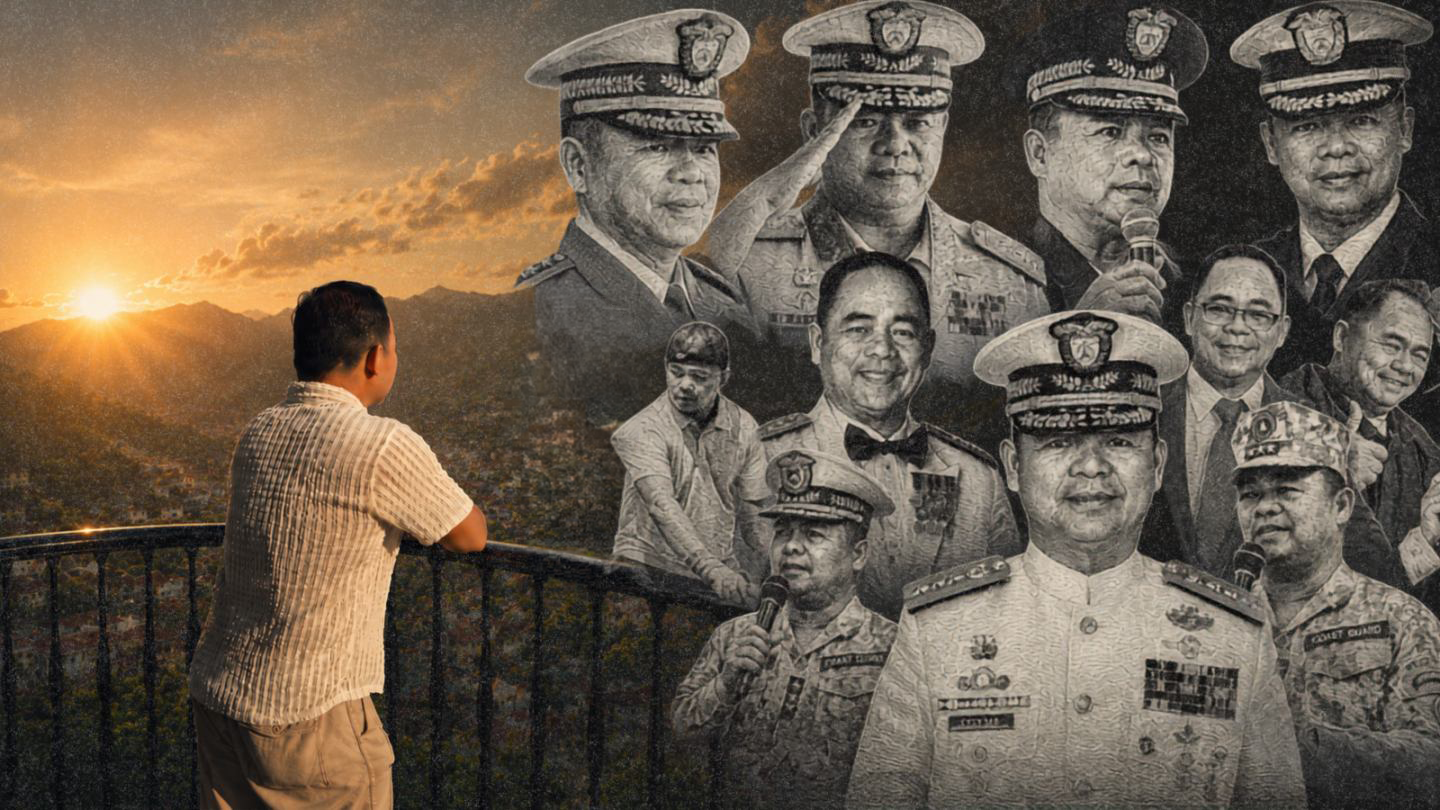
Retirement Was Never the Finish Line
A Second Calling in Service to God, Country, and the Filipino People
There is a saying that retirement is the reward for a lifetime of hard work. For many, it is a season to slow down—to enjoy leisurely mornings, travel with family, play more golf, and finally live life without the pressures of deadlines and responsibilities.
After more than thirty-five years of combined active service in the Philippine Navy and the Philippine Coast Guard, I thought my story would follow that familiar script.
I was wrong.
One year into retirement, I can only look back with profound gratitude to our Almighty Lord. Every blessing, every opportunity, every challenge, and every unexpected turn has reminded me that God’s plans are always far greater than our own. What I thought was the closing chapter of my professional life turned out to be the opening chapter of an even greater mission.
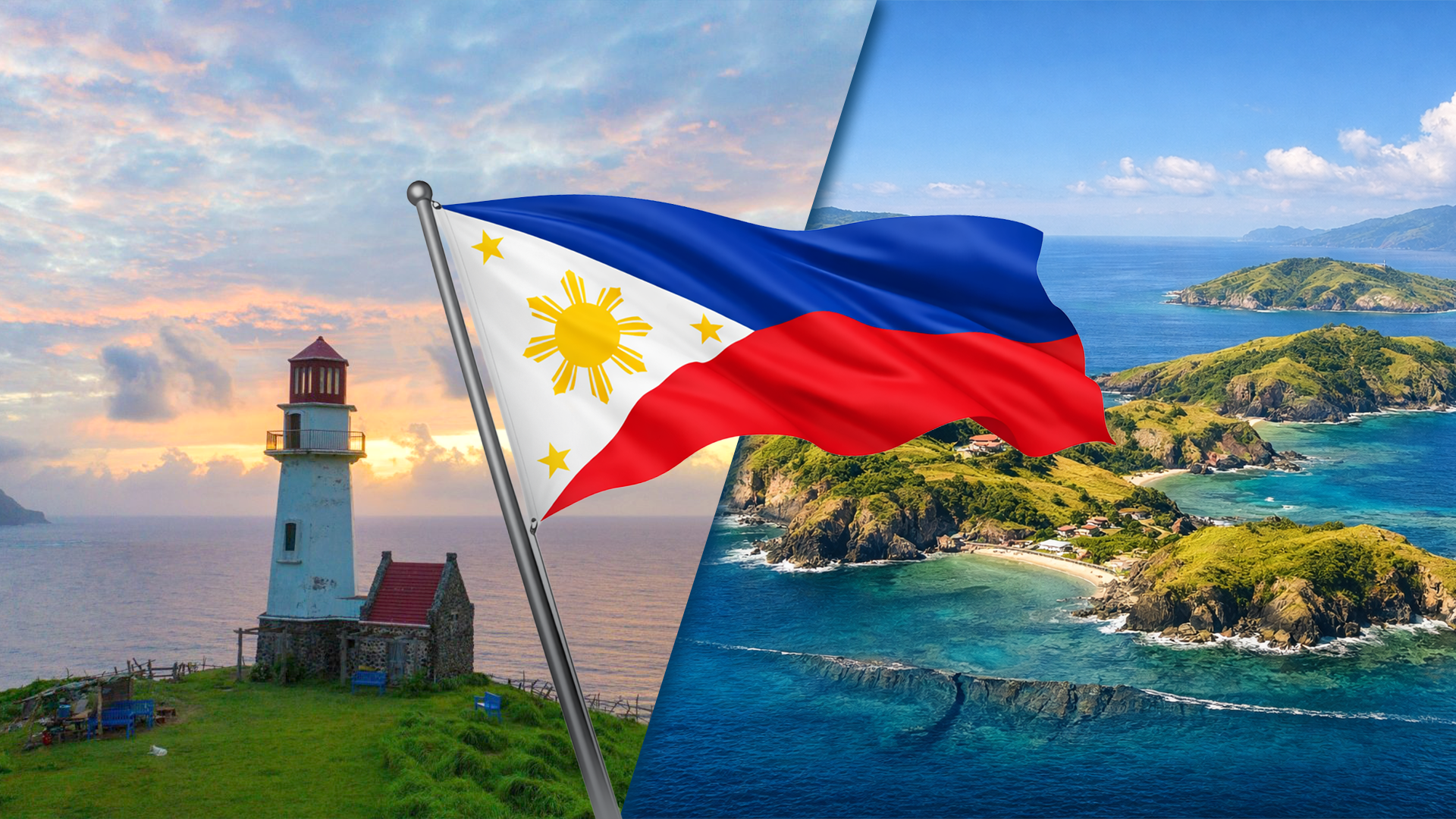
Debunking the “Natural Geographic Extension” Argument
Anyone can advance imaginative theories that a distant island is merely a “natural geographic extension” of another territory. However, such arguments collapse under both logic and international law.
The argument is made stronger by distinguishing physical geography from sovereignty. These are two entirely different concepts that should never be conflated. China—or any other state—cannot derive sovereignty from the mere fact that an island lies on the same geological shelf or appears to be a natural extension of another landmass. International law has consistently rejected such reasoning.
If geographical continuity alone were the basis for sovereignty, the implications would be absurd.
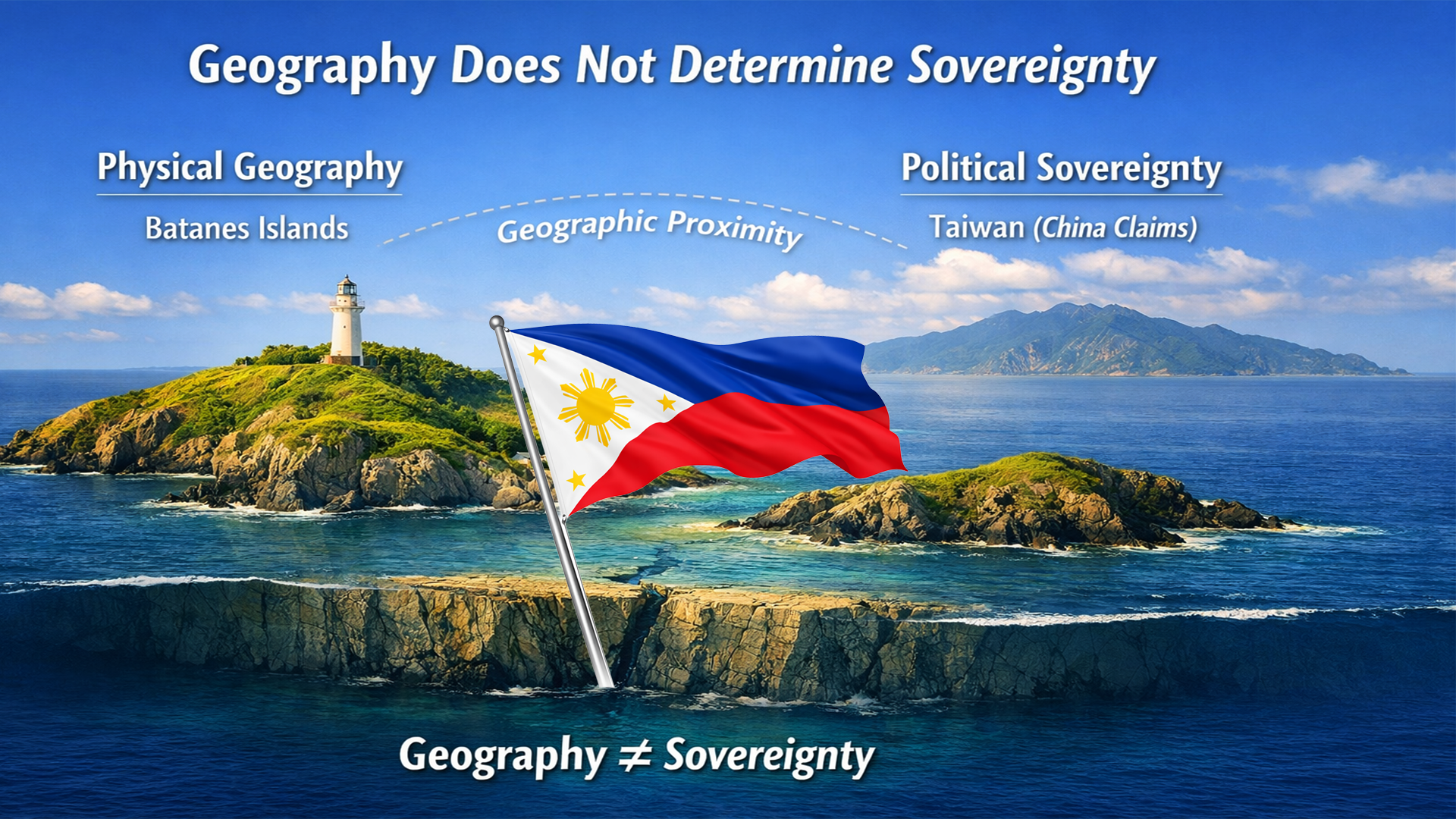
Geography Does Not Determine Sovereignty
One of the central arguments advanced during the symposium is that Batanes is a “natural geographic extension” of Taiwan and therefore should belong to China.
This argument is fundamentally flawed.Anyone can advance imaginative theories that a distant island is merely a “natural geographic extension” of another territory. However, such arguments collapse under both logic and international law.
FROM GROWTH TO MATURITY: THE NEXT STEP IN THE EVOLUTION OF THE PHILIPPINE COAST GUARD
Strengthening Governance, Professionalization, and Administrative Oversight in the Era of Maritime Security Tensions
The Philippine Coast Guard (PCG) has undergone one of the most remarkable institutional transformations in the Philippine government.
From approximately 3,000 personnel when it was transferred from the Department of National Defense (DND) to the Department of Transportation and Communications (DOTC), now the Department of Transportation (DOTr), in 1998 through Executive Orders No. 475 and No. 477, the organization has grown to nearly 36,000 personnel today, with an authorized strength of 37,689 under its approved Table of Organization and Equipment (TOE).

Smarter Decisions, Safer Voyages
How Ocean Monitoring Buoys Could Transform Sea Travel in the Philippines
For millions of Filipinos, traveling by sea is not a choice—it is a necessity. Every day, ferries, Roll-on/Roll-off (RoRo) vessels, cargo ships, and motorized boats transport passengers, food, fuel, medicine, construction materials, and countless other goods between islands. In a country composed of more than 7,600 islands, maritime transportation serves as the lifeline that keeps communities connected and the economy moving.
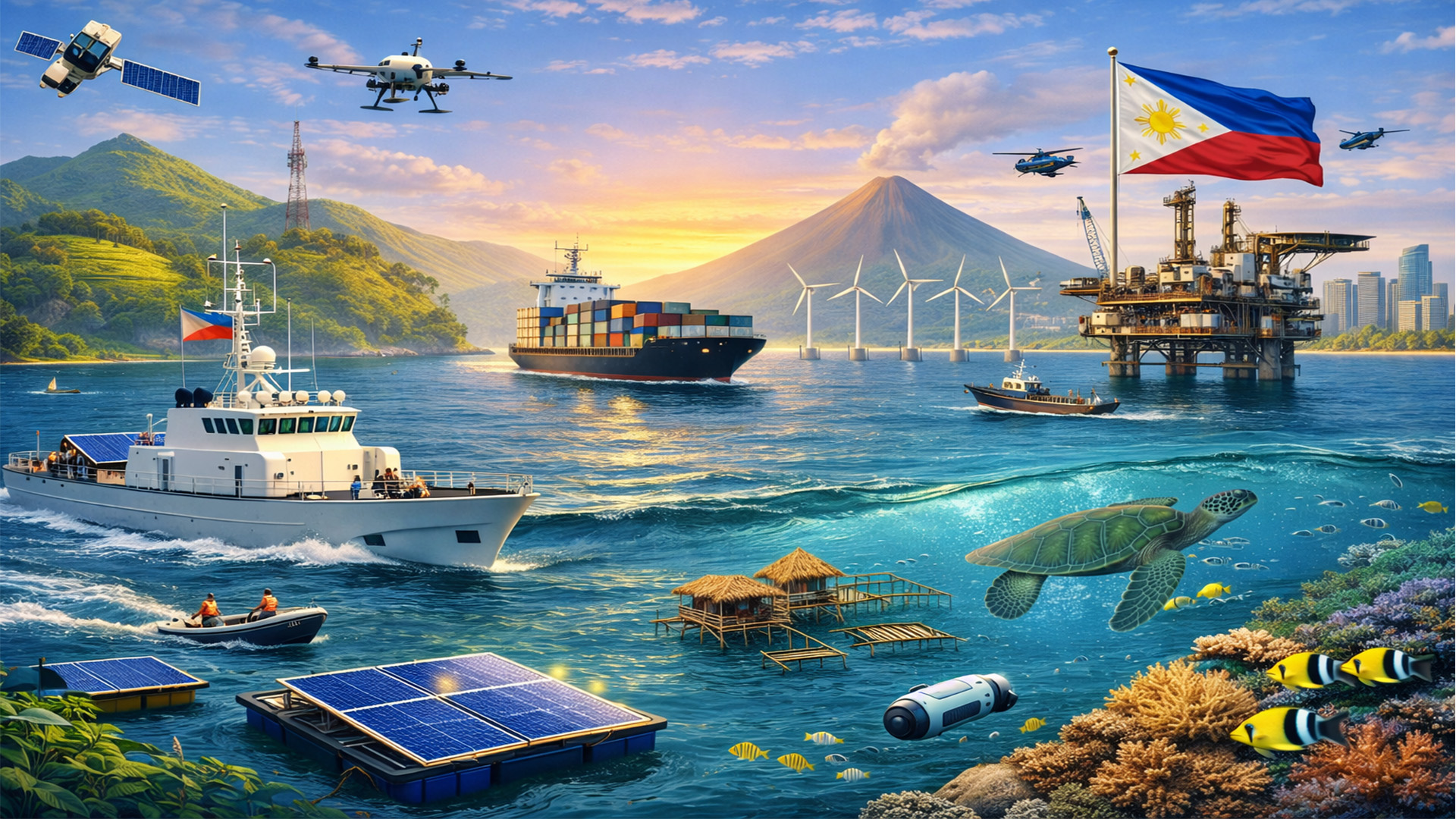
Securing the Future of Philippine Maritime Governance
Why the Philippines Needs a Sustainable Maritime Resilience Financing Policy
As one of the world’s largest archipelagic nations, the Philippines occupies a strategically vital position at the center of major international maritime routes connecting the Indo-Pacific region. Thousands of foreign and domestic vessels pass through Philippine waters annually, transporting global trade, energy resources, and commercial goods across some of the world’s busiest sea lanes.
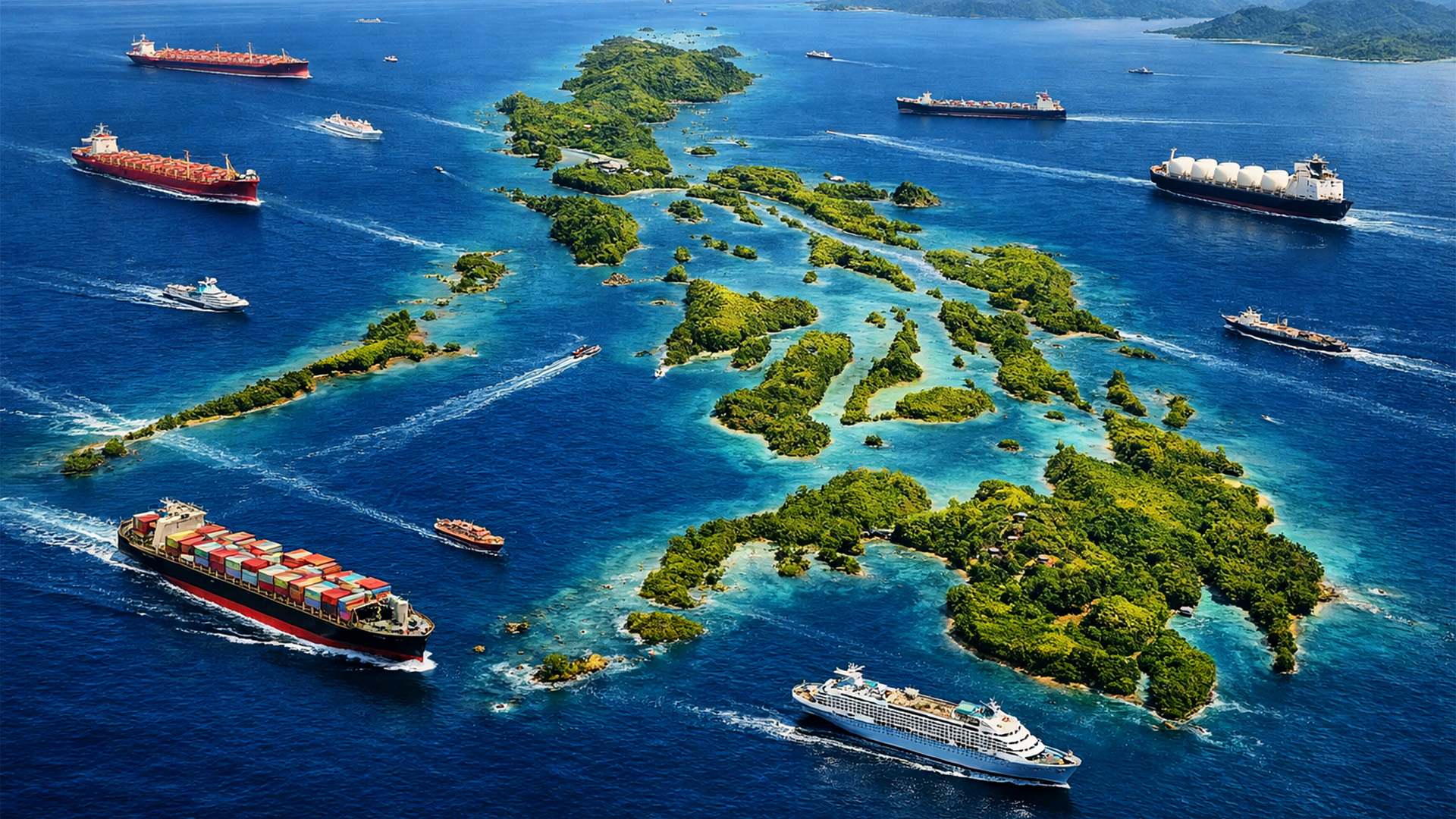
Institutionalizing Philippine Archipelagic Sea Lanes for Maritime Safety, National Resilience, and Regional Stability
As one of the world’s largest archipelagic nations, the Philippines is fundamentally shaped by the sea. With more than 7,600 islands interconnected by extensive maritime corridors, the country relies heavily on safe, secure, and efficiently managed waters for trade, transportation, food security, energy supply, environmental protection, disaster response, and national defense. More than geography, the maritime domain constitutes a strategic national space that directly influences the country’s economic stability, sovereign security, and regional relevance.
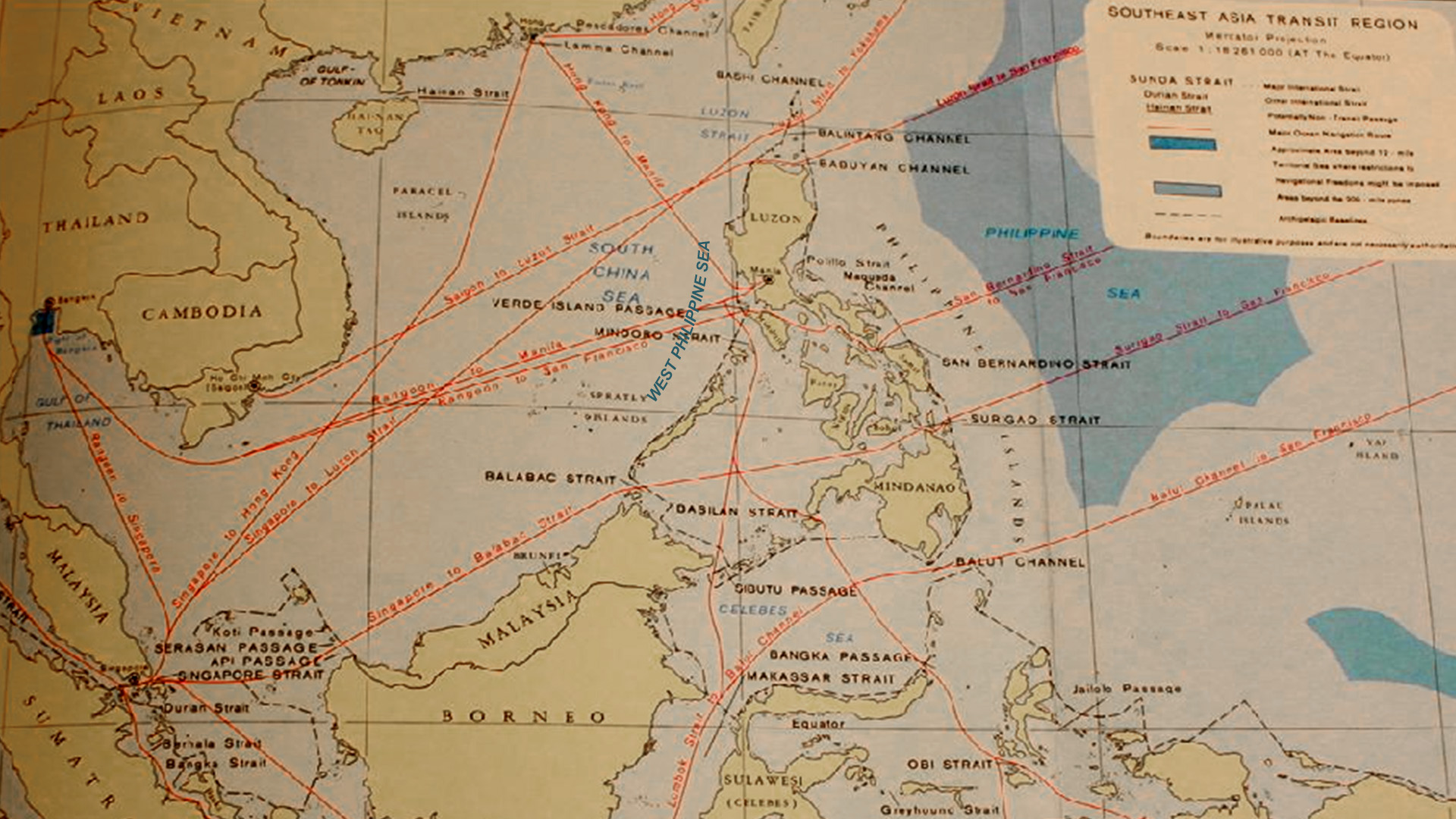
Control the Lanes, Protect the Nation: Why the Philippines Must Institutionalize Its Archipelagic Sea Lanes Now
In a previous article, “No Lanes, No Control,” the central argument was clear: a maritime nation that fails to organize, monitor, and regulate the movement of vessels through its own strategic waterways inevitably weakens its sovereignty, maritime safety, and environmental security. For an archipelagic state like the Philippines—located at the crossroads of global maritime trade—the absence of formally recognized and operationalized Archipelagic Sea Lanes (ASL) creates operational blind spots across some of the world’s busiest sea routes.

Completeness, Capacity, Coordination: Strategic Insights for Philippine ASL Management from Indonesia’s Archipelagic Sea Lanes
In 2024, the Philippines became just the second country in the world to designate archipelagic sea lanes (ASLs). To help the Philippines strategically plan the management of its newly designated archipelagic sea lanes, an examination of Indonesia’s rich experience in designating and managing its ASLs is crucial. Indonesia’s experience with the Alur Laut Kepulauan Indonesia (ALKI) offers a robust framework for understanding the multifaceted challenges and opportunities that the Philippines can use as a head start. What strategic benefits do ASLs provide? More importantly, what lessons can the Philippines draw from Indonesia’s experience to develop an effective ASL management strategy?
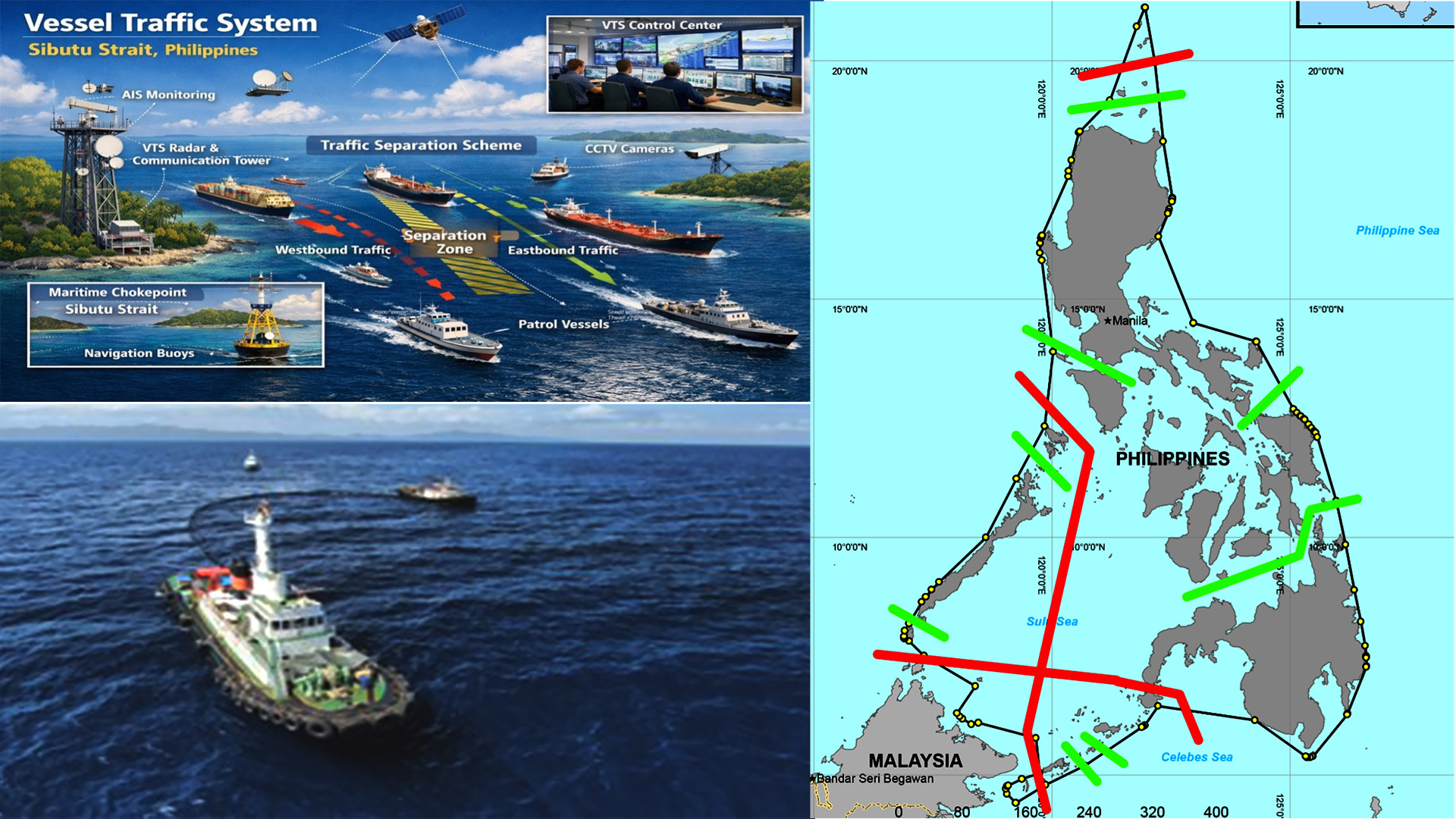
No Lanes, No Control: Why Philippine Archipelagic Sea Lanes Is a Strategic Necessity?
This paper is a reaction to the article entitled “Legalizing Foreign Highways through Domestic Waters Without Naval Budget,” published by Behind Asia on April 30, 2026. The article raises concerns that the enactment of Republic Act No. 12065 may expose the Philippines to heightened security and economic risks by effectively allowing foreign vessels—including military and industrial fleets—unrestricted transit through critical domestic waters without sufficient enforcement capability.
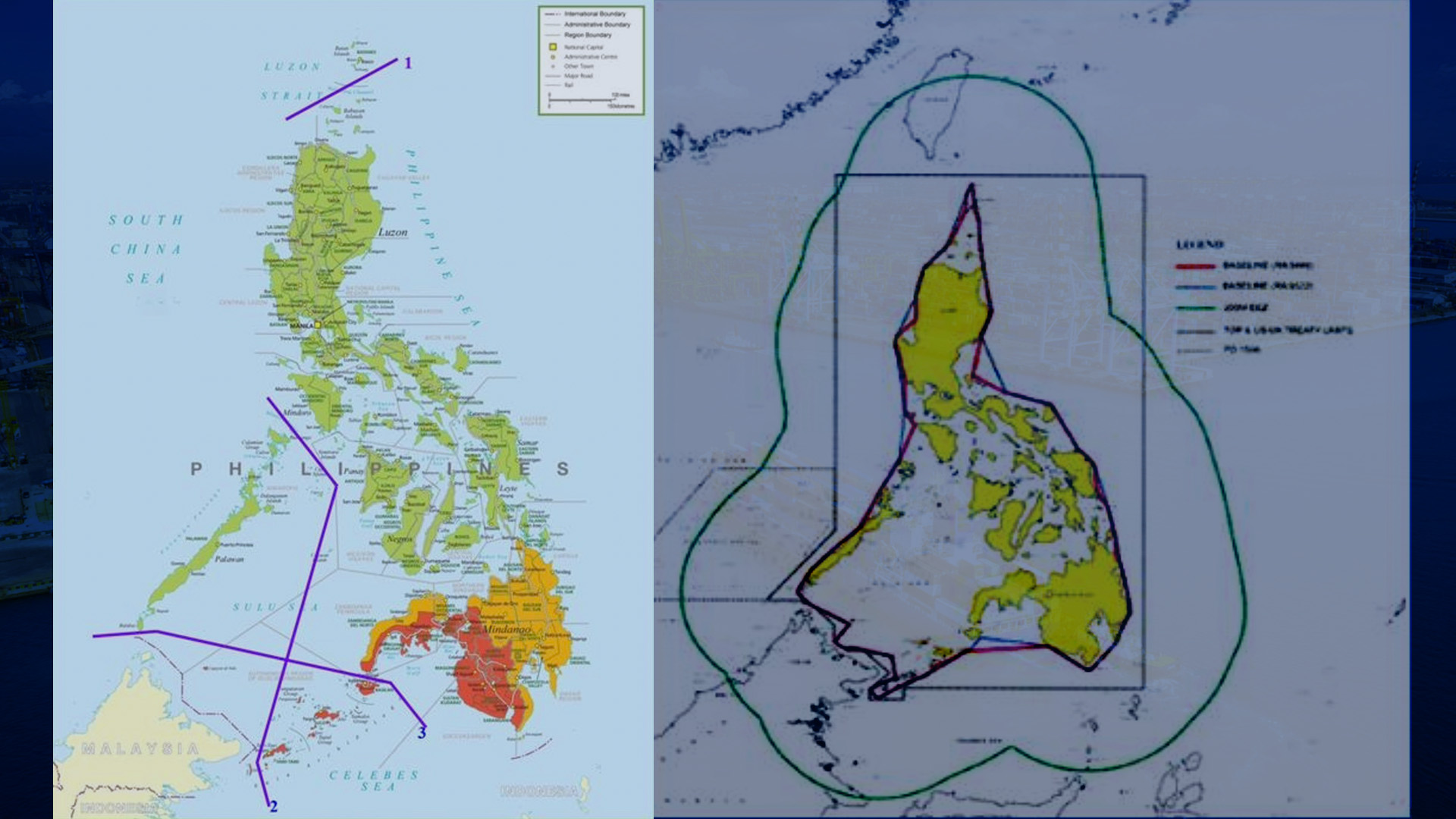
CHARTING THE UNCHARTED: BRIDGING THE LEGAL-OPERATIONAL GAP IN PHILIPPINE MARITIME ENFORCEMENT
The recent operational training conducted by the Philippine Coast Guard (PCG) on maritime zones and archipelagic sea lanes reflects a commendable effort to translate newly enacted laws into actionable doctrine. Anchored on Republic Act No. 12064 and Republic Act No. 12065, the initiative signals the country’s commitment to a rules-based maritime order.
Yet beneath this progress lies a critical issue: the absence of officially published nautical charts and internationally recognized sea lanes, without which enforcement risks becoming legally vulnerable and operationally inconsistent.

PASLCI CHAIR VADM COYME GRACES POLYTECHNIC UNIVERSITY OF THE PHILIPPINES PARAÑAQUE’S 15TH ANNIVERSARY
Anniversary Message
Polytechnic University of the Philippines
15th Founding Anniversary
VADM JOSEPH M COYME PCG (Ret.)
28 March 2026 at PUP
Distinguished officials of the Polytechnic University of the Philippines, respected faculty members, proud parents, awardees, dear students, ladies and gentlemen—good morning. Allow me to begin with the words of Nelson Mandela, who once said:
“Education is the most powerful weapon which you can use to change the world.”

GLOBAL OIL SHIPPING RISK AND PHILIPPINE ECONOMIC IMPACT AMID THE MIDDLE EAST WAR
By VADM Joseph M Coyme PCG (Ret) PhD | Mar 03, 2026
A Maritime Economics Perspective
As armed conflict escalates between the United State, Israel and Iran, maritime economists are closely monitoring developments in the Strait of Hormuz— one of the world’s most critical energy shipping chokepoints.
From a maritime economics standpoint, this conflict is not only a geopolitical issue but also a shipping market shock with direct implications for freight rates, marine insurance, tanker supply, and global energy pricing. For the Philippines, a trade- and import-dependent archipelagic state, these maritime disruptions translate into real domestic economic consequences.
LET’S SECURE OUR SEA ROUTES
By VADM Joseph M Coyme PCG (Ret) PhD | Feb 15, 2026
Former Senator Francis “Tol” Tolentino’s recent statement on the West Philippine Sea (WPS) reflects a decisive and legally grounded position on Philippine sovereignty. As principal sponsor of Republic Act No. 12064 (Philippine Maritime Zones Act) and Republic Act No. 12065 (Philippine Archipelagic Sea Lanes Act), Tolentino emphasized that the Philippines need not debate the legitimacy of its claims over the Kalayaan Island Group (KIG) and the West Philippine Sea…
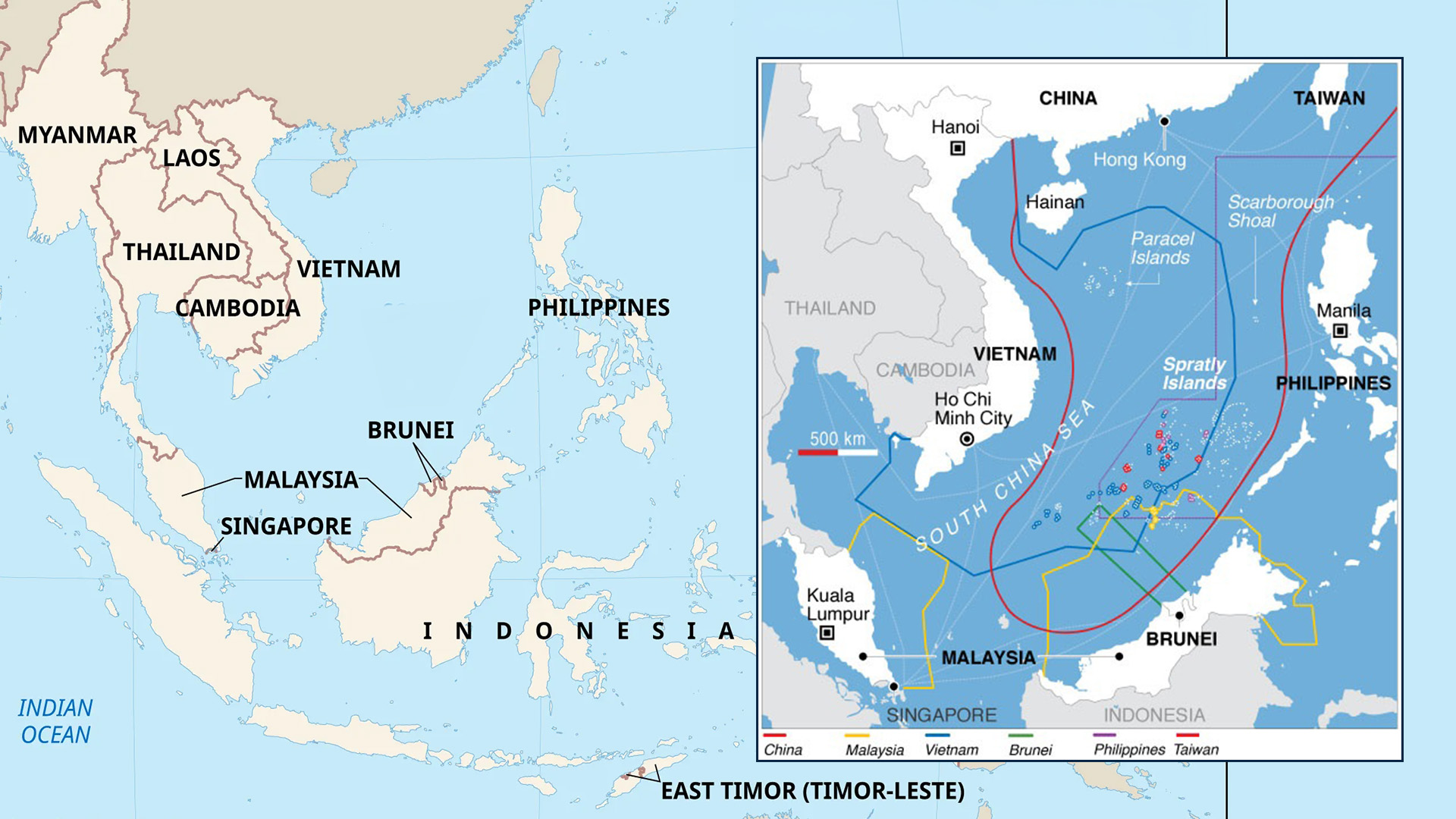
DO UNCLOS MEMBER STATES HAVE SOVEREIGN TERRITORY OUTSIDE THEIR EEZ
By VADM Joseph M Coyme PCG (Ret) PhD | Feb 9, 2026
Why Distance Does Not Diminish Sovereignty — and Why the Kalayaan Island Group Matters Recent remarks suggesting that the Philippines should relinquish the Kalayaan Island Group (KIG) on the ground that parts of it lie outside the country’s exclusive economic zone…

POSITION PAPER: PROPOSAL FOR THE CREATION OF A MARITIME TRANSPORT SAFETY BOARD UNDER THE DEPARTMENT OF TRANSPORTATION
By VADM Joseph M Coyme PCG (Ret) PhD | Jan 28, 2026
The Philippines, as an archipelagic nation composed of more than 7,600 islands, is heavily dependent on maritime transport for the movement of people and goods. Sea transport remains the backbone of inter-island connectivity, trade, tourism, and regional development. However, despite its importance, maritime transport in the country continues to face significant safety challenges, particularly during the typhoon season.

STRATEGIC OPTIONS FOR A MORE STABLE PHILIPPINE DEFENSE STRUCTURE WITH PESTEL ANALYSIS
By Captain Jaime Quiñones | Dec 15, 2025
The Philippines faces intensifying security pressures in the West Philippine Sea, expanding asymmetric threats, and an increasingly multipolar Indo‑Pacific environment. These dynamics raise the premium on coherent governance, sustainable modernization, and credible alliances to stabilize defense posture while avoiding internal fragmentation in the security apparatus.
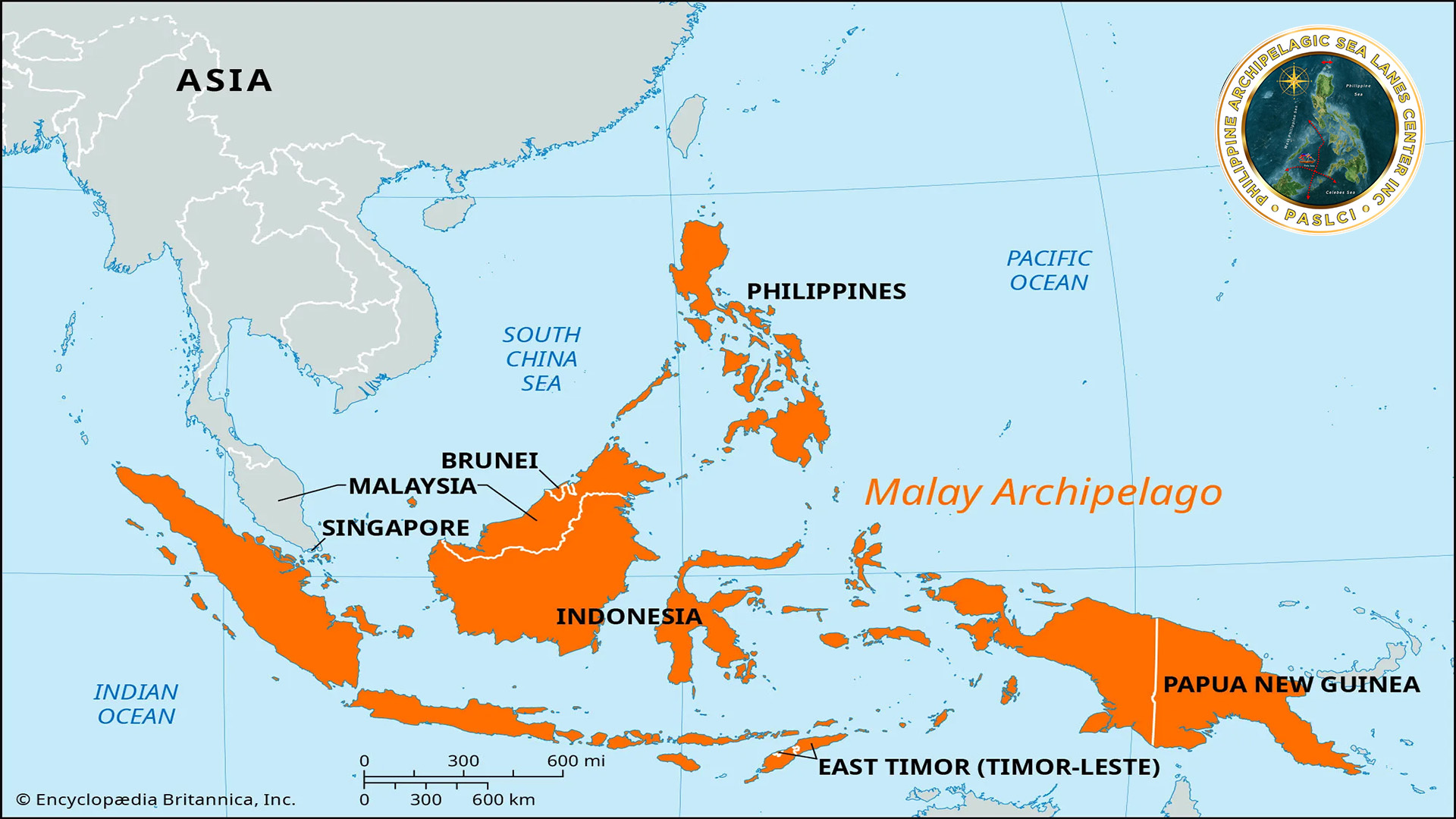
Completeness, Capacity, Coordination: Strategic Insights for Philippine ASL Management from Indonesia’s Archipelagic Sea Lanes
By LT Stephen S Pagcaliwagan PCG | Dec 9, 2025
In 2024, the Philippines became just the second country in the world to designate archipelagic sea lanes (ASLs). To help the Philippines strategically plan the management of its newly designated archipelagic sea lanes, an examination of Indonesia’s rich experience in designating and managing its ASLs is crucial. Indonesia’s experience with the Alur Laut Kepulauan Indonesia (ALKI) offers a robust framework for understanding the multifaceted challenges and opportunities that the Philippines can use as a head start. What lessons can the Philippines draw from Indonesia’s experience to develop an effective ASL management strategy? Why is there a need to designate and implement archipelagic sea lanes?
Charting the Philippine Archipelagic Sea Lanes: Lessons from Indonesia and the Imperatives for IMO Adoption
By VADM Joseph Coyme | Nov 23, 2025
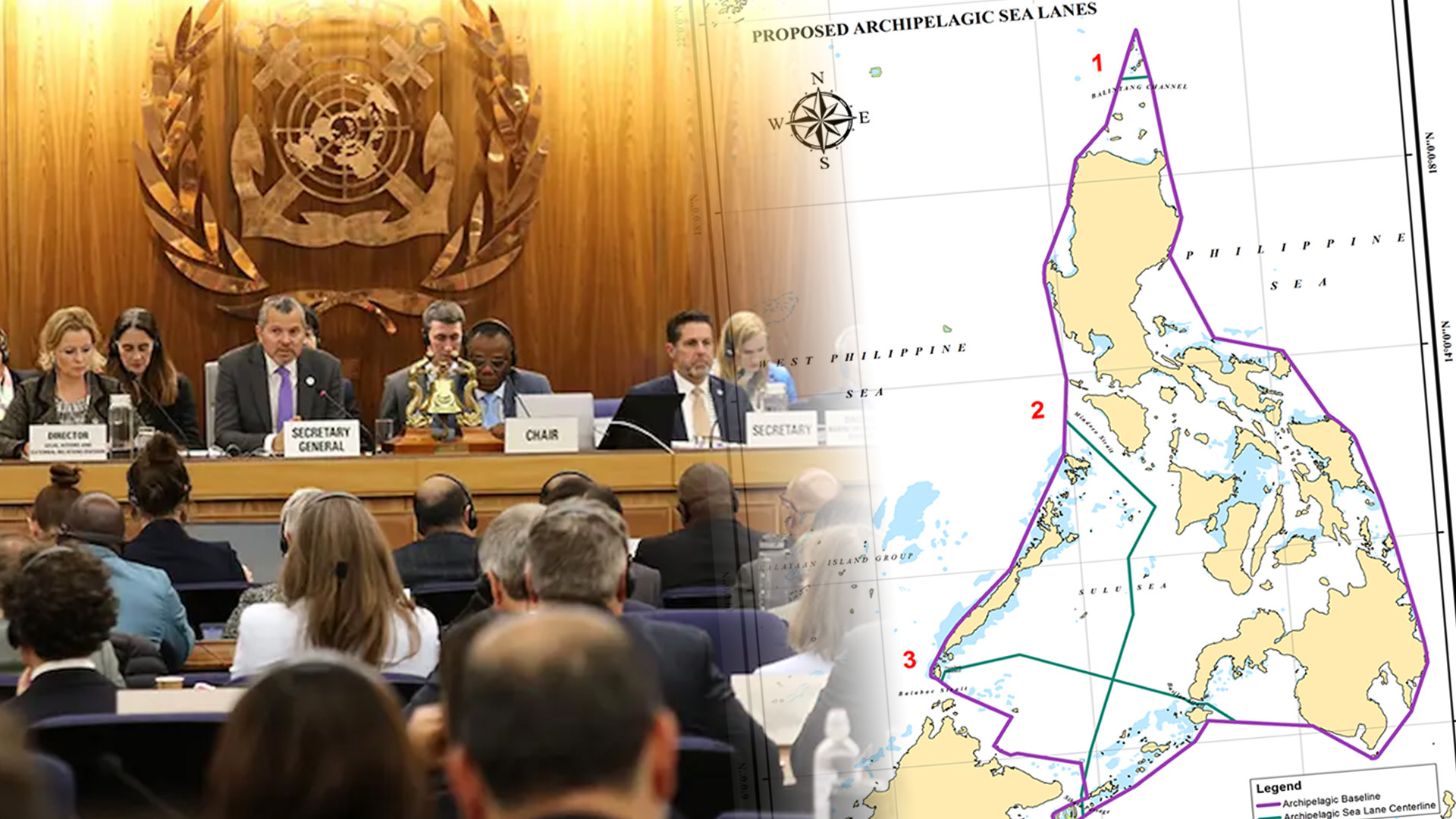
As an archipelagic state under the United Nations Convention on the Law of the Sea (UNCLOS), the Philippines holds the sovereign right to designate Archipelagic Sea Lanes (ASLs) through which foreign vessels and aircraft may exercise the right of archipelagic sea lanes passage. This process balances national security interests with the international community’s need for safe and uninterrupted navigation. Indonesia remains the only state to have successfully designated ASLs through the International Maritime Organization (IMO), making its experience a valuable model for the Philippines.¹ From this benchmark, the Philippines can identify the technical, legal, diplomatic, and institutional imperatives necessary for securing the adoption of Philippine Archipelagic Sea Lanes (PASLs).
Operationalizing the Philippine Archipelagic Sea Lanes: A Path to Maritime Safety, Sovereignty, and Regional Connectivity
By VADM Joseph Coyme | Nov 16, 2025
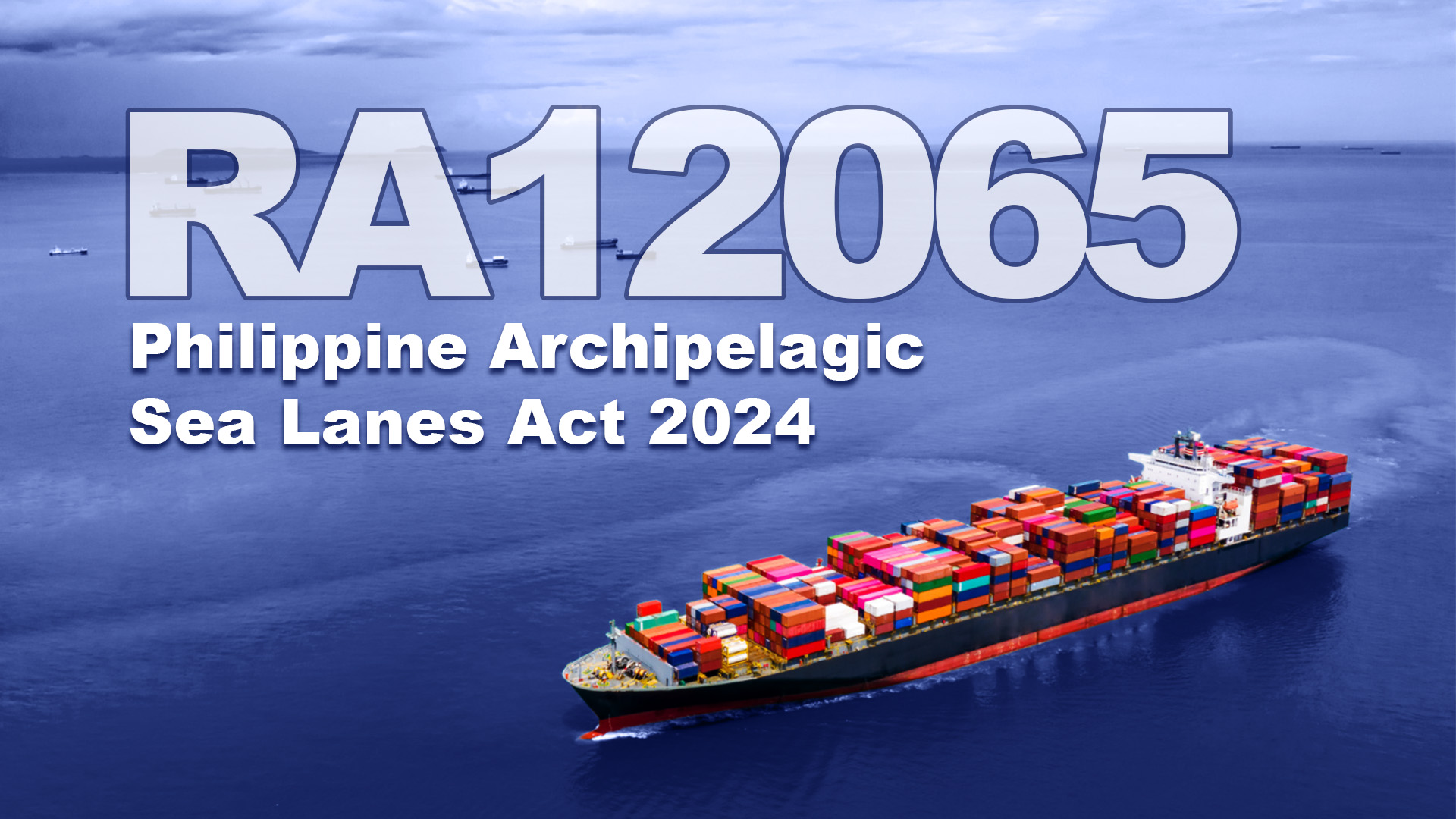
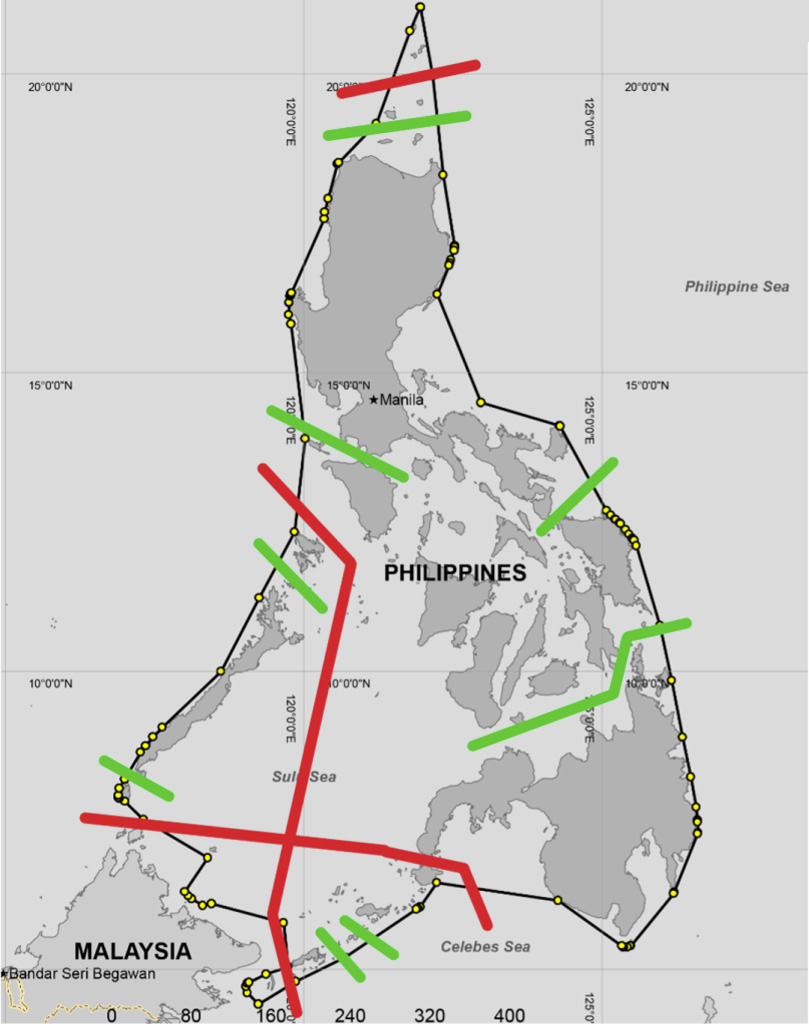
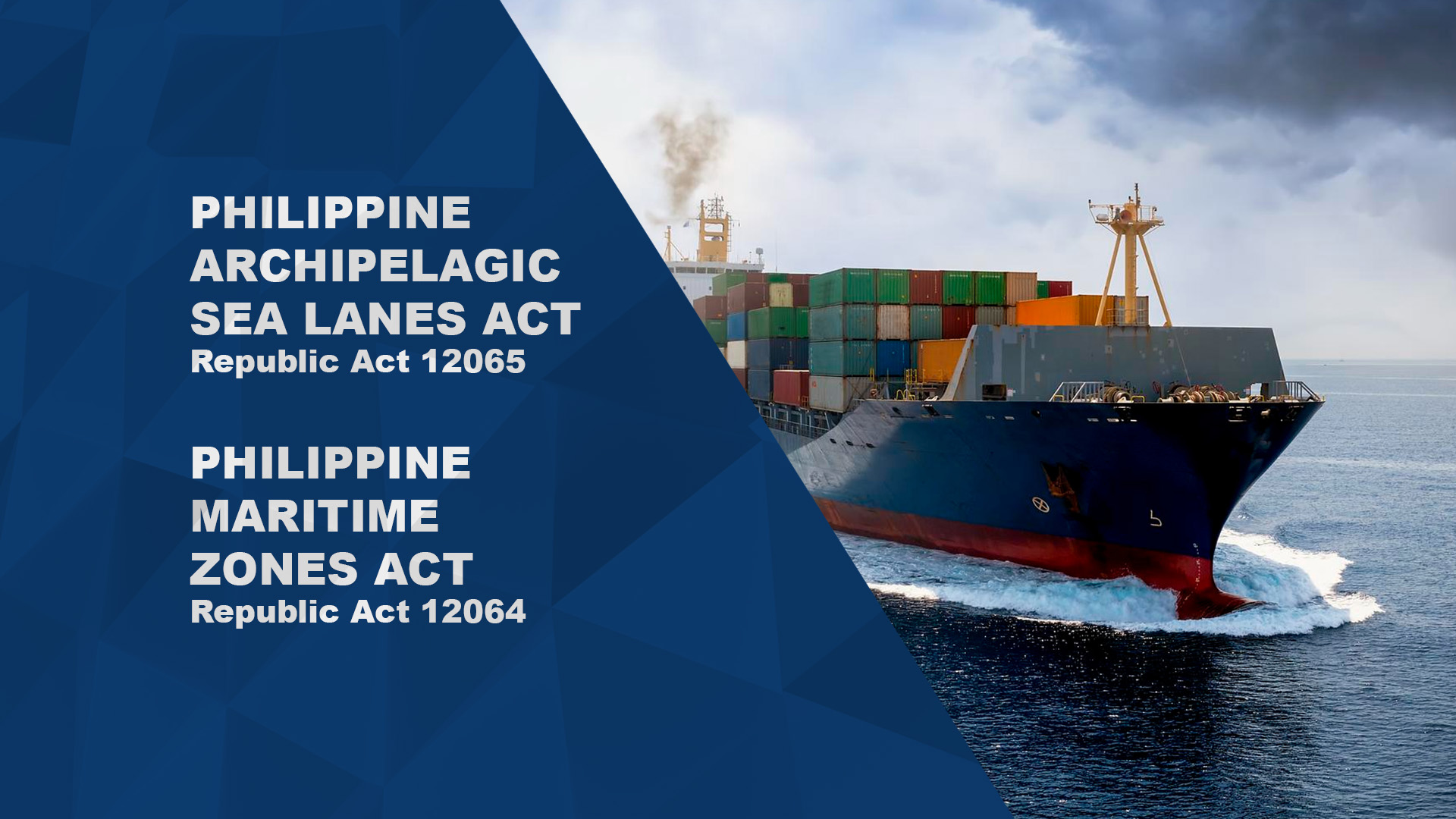
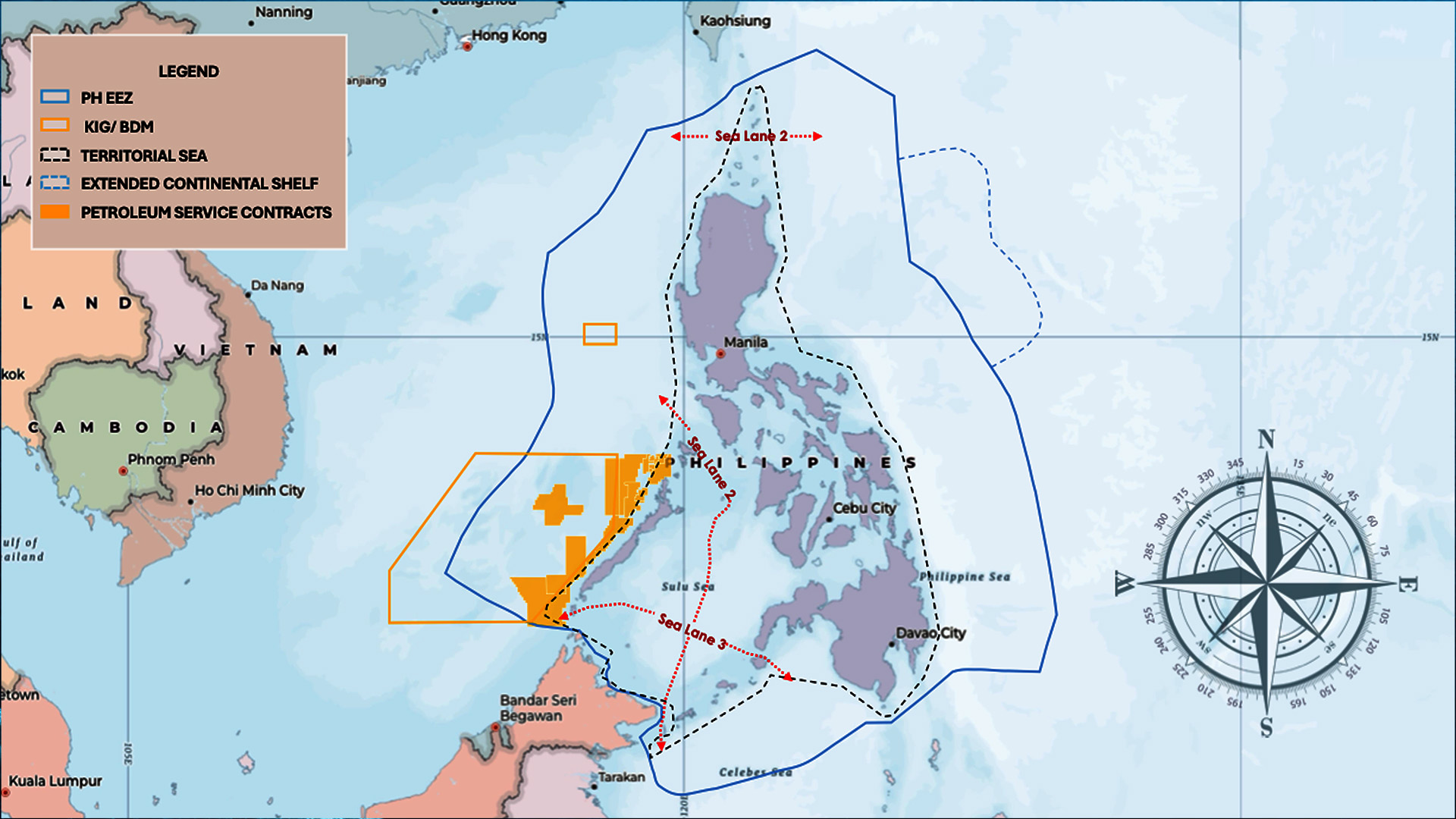
The Philippine Archipelagic Sea Lanes Act (R.A. 12065), enacted in 2024, established formal routes across Philippine waters to ensure safe navigation and compliance with international maritime law. Among these routes, the Sibutu Passage stands out as a…
Although the Philippines, as an archipelagic nation, is granted the right under the United Nations Convention on the Law of the Sea (UNCLOS) to designate its archipelagic sea lanes (ASL), the Philippine Archipelagic Sea Lanes (PASL) established under Republic Act No. 12065 must still be submitted to and approved by the International Maritime Organization (IMO) for formal international recognition.
This process requires a comprehensive legal, technical, and diplomatic approach to meet the standards and procedures prescribed by the IMO. It is within this context that the Philippine Archipelagic Sealane Center, Inc. (PASLCI) was established — with the primary objective of supporting the efforts of the national government in preparing the country’s submission, particularly through technical studies, maritime research, and policy formulation.
PASLCI aims to serve as a vital platform for collaboration among maritime experts, government agencies, and academic institutions to ensure that the Philippines’ archipelagic sea lane proposal is technically sound, strategically aligned, and compliant with international maritime conventions.
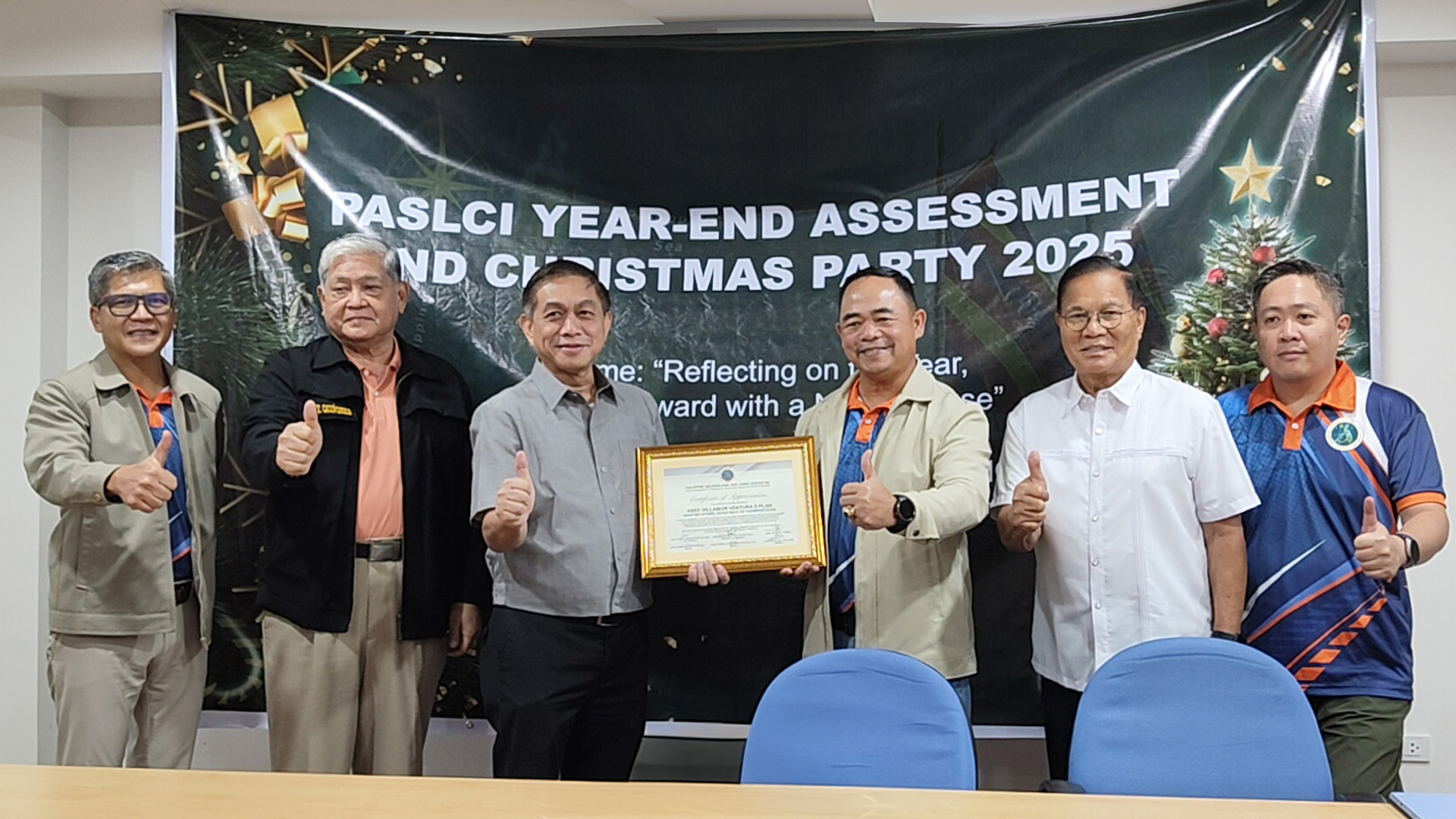
Assistant Secretary Villamor Ventura S. Plan of the Department of Transportation’s Maritime Affairs delivered a strong message of support to the Philippine Archipelagic Sea Lanes Center Inc., recognizing its team of experts and expressing openness to future collaboration in advancing the department’s implementation of RA 12064 and RA 12065.
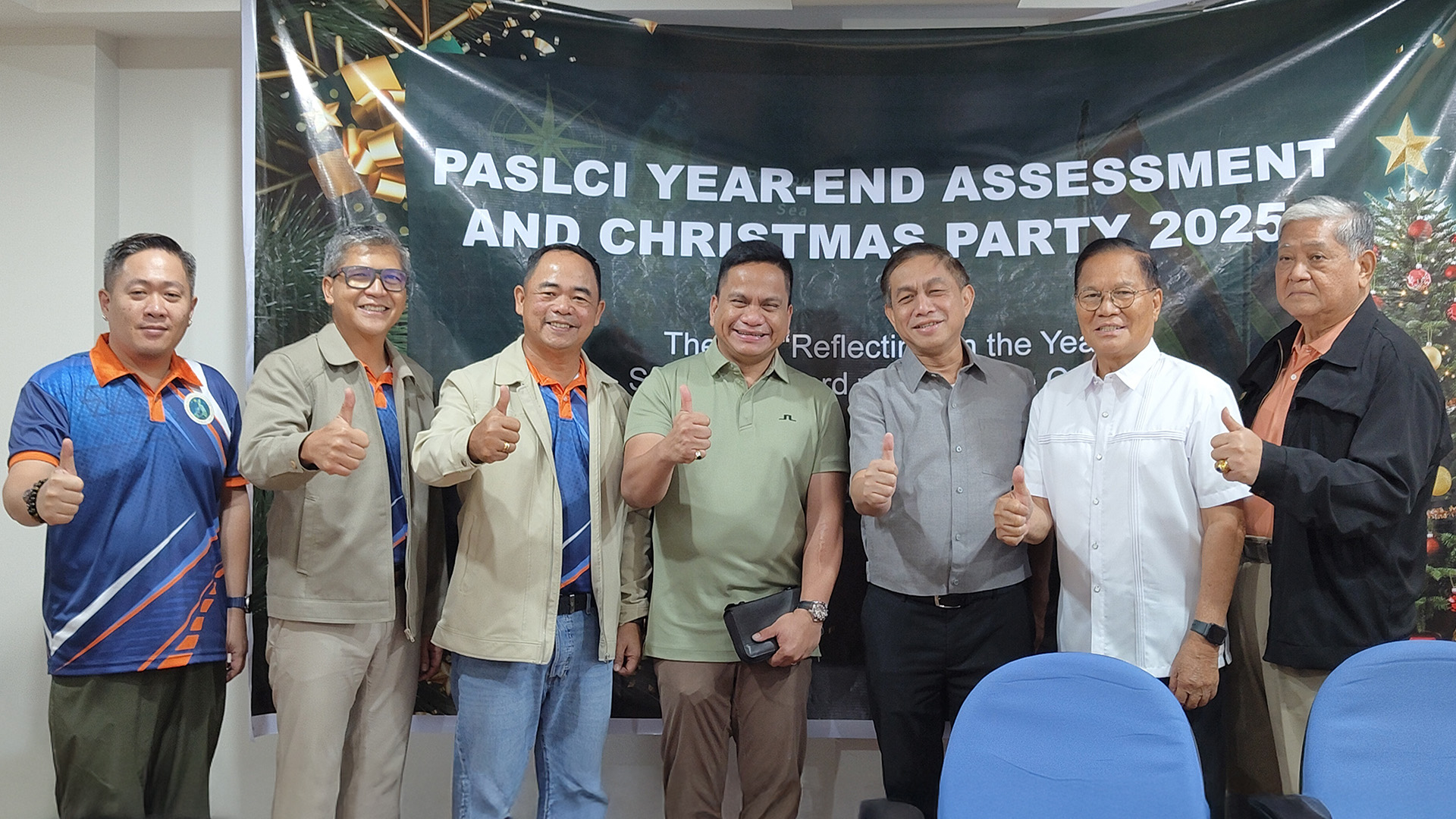
The PASLCI event was honored by the presence of Assistant Secretary Villamor Ventura S. Plan of the Department of Transportation’s Maritime Affairs, whose message of support underscored the government’s commitment to strengthened maritime governance and future collaboration. The event also welcomed Commodore Jay Tristan Tarriela, PCG Spokesperson for the West Philippine Sea Transparency Group, whose participation reaffirmed the national importance of transparency and principled maritime stewardship.
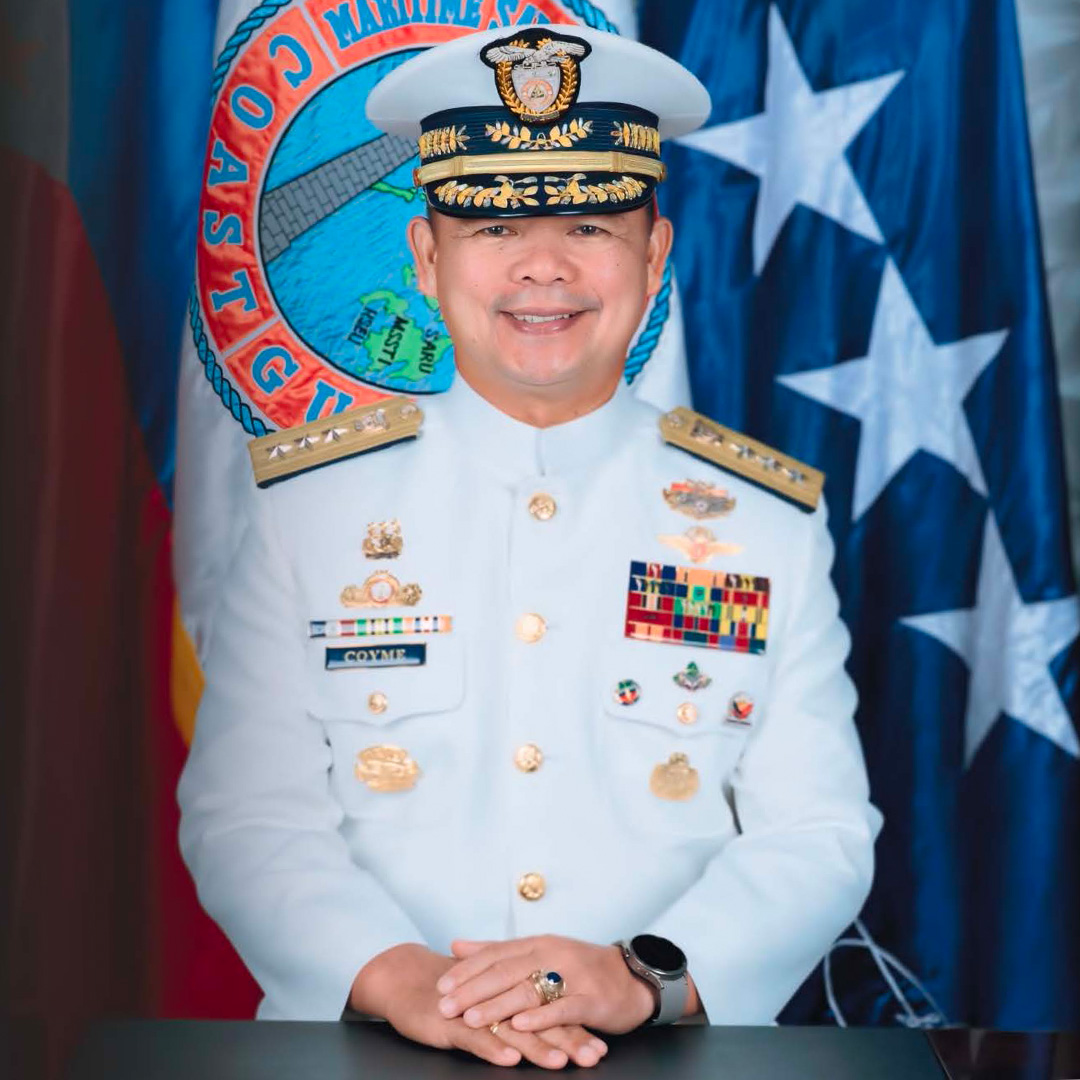
VICE ADMIRAL JOSEPH M COYME PCG (RET),PH.D.
Chairman of the Board & President
OFFICIAL STATEMENT OF SUPPORT
Philippine Archipelagic Sea Lanes Center Inc. (PASLCI)
On the First Anniversary of the Passage of Republic Act No. 12065
The Philippine Archipelagic Sea Lanes Act
November 7, 2025
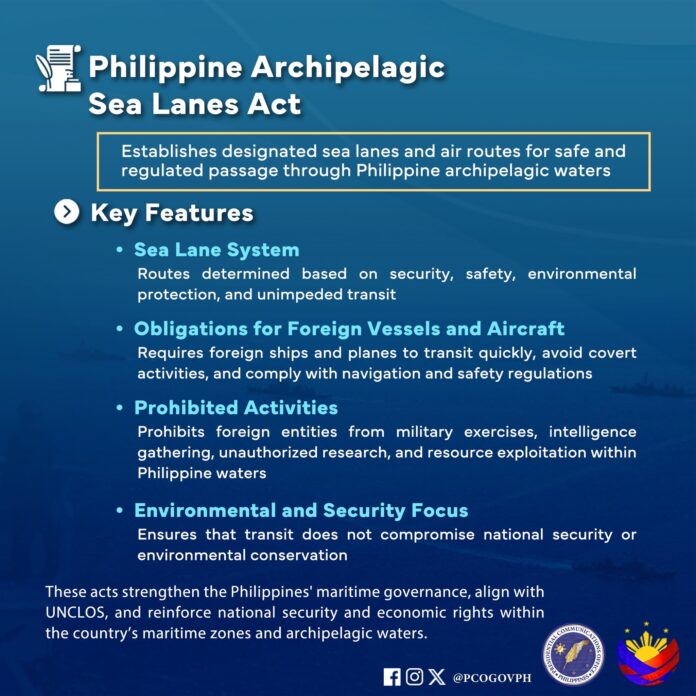
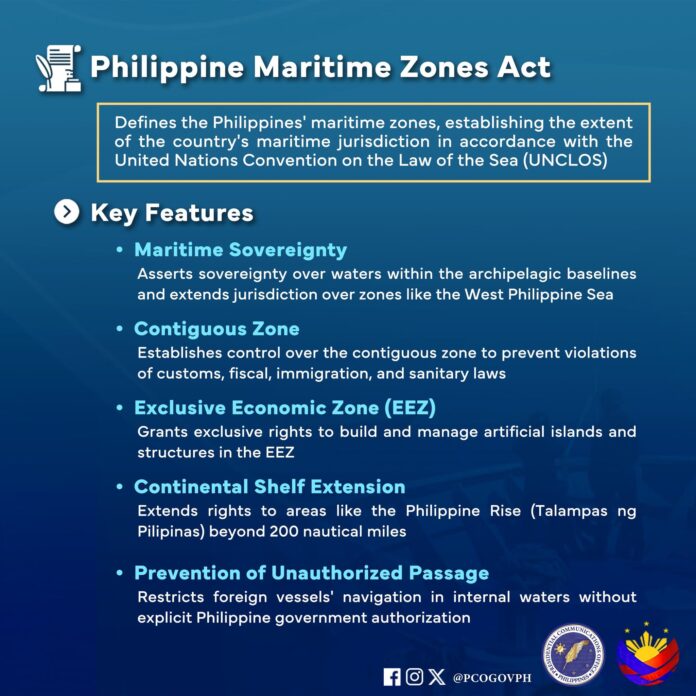
The Philippine Archipelagic Sea Lanes Center Inc. (PASLCI) proudly joins the nation in commemorating the first anniversary of the passage of Republic Act No. 12065, the Philippine Archipelagic Sea Lanes (PASL) Act—a landmark legislation that reaffirms the Philippines’ sovereign rights, strengthens maritime governance, and ensures safe and secure passage through our archipelagic waters.
The enactment of RA 12065 marks a pivotal milestone in the country’s maritime history. It operationalizes the Philippines’ recognition under the United Nations Convention on the Law of the Sea (UNCLOS) as an archipelagic State, enabling us to designate sea lanes that balance the right of passage for international vessels with the protection of national security, marine environment, and the welfare of our coastal communities.
As a non-government organization dedicated to supporting the government’s efforts for the submission and adoption of the Philippine Archipelagic Sea Lanes to the International Maritime Organization (IMO), PASLCI reaffirms its full commitment to advancing the implementation of this law. We believe that the successful establishment of the Philippine Archipelagic Sea Lanes will:
- Enhance maritime safety and security within our waters;
- Promote environmental protection and sustainable maritime practices;
- Strengthen the Philippines’ role in international maritime governance; and
- Uphold the integrity of our national sovereignty and archipelagic unity.
The passage of RA 12065 is more than a legal milestone—it is a declaration of our collective will to govern our seas responsibly, protect our people, and assert our rightful place as a maritime nation.
PASLCI calls upon all sectors—government, maritime stakeholders, academe, and civil society—to continue working together in ensuring the full realization of the Philippine Archipelagic Sea Lanes System. Together, we sail forward toward a future where the Philippines stands as a secure, sustainable, and sovereign archipelago at the heart of the world’s oceans.
Mabuhay ang sambayanang Pilipino. Mabuhay ang ating karagatan.
Issued this 7th day of November 2025 by the Philippine Archipelagic Sea Lanes Center Inc. (PASLCI).
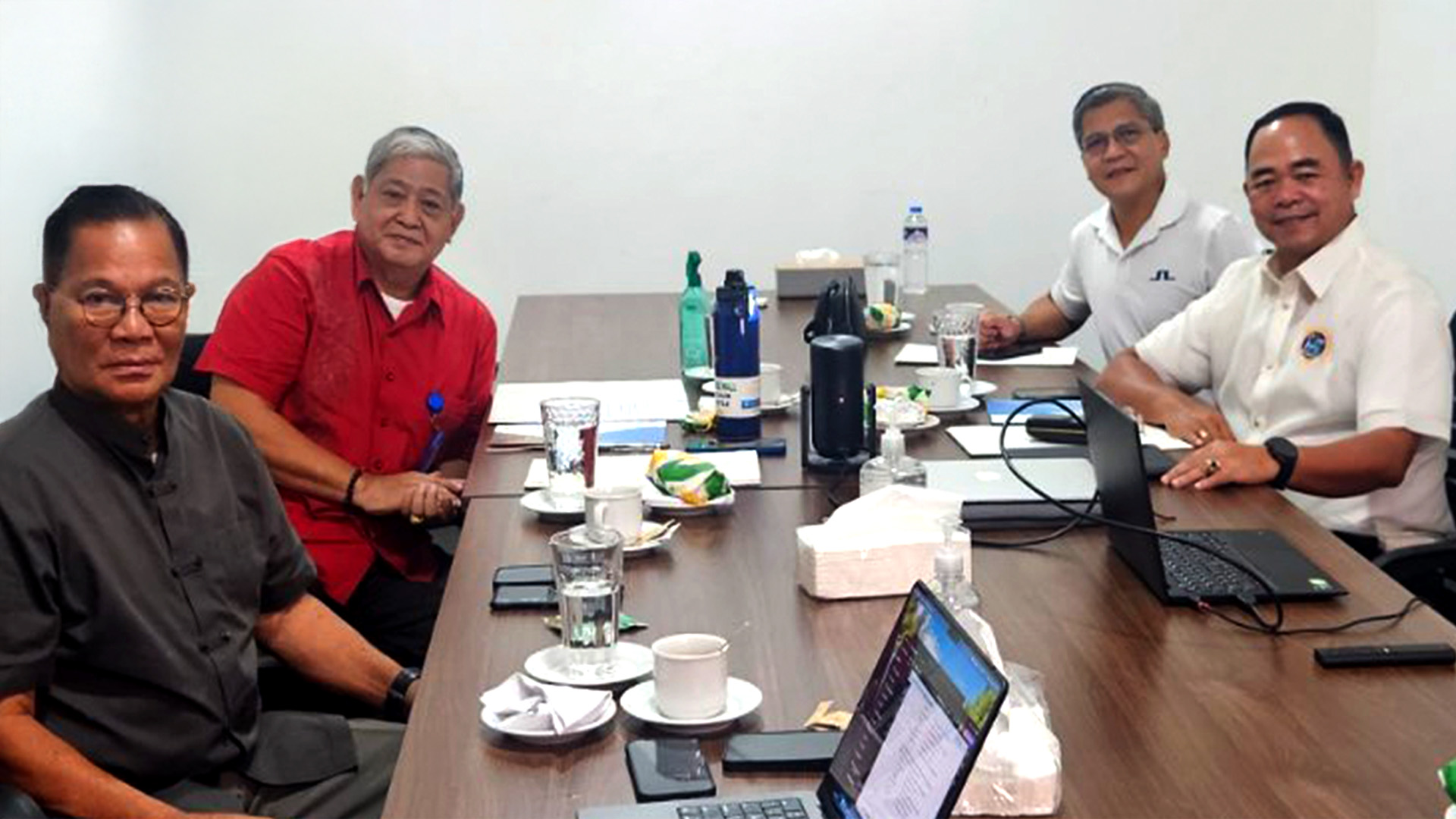
The Founding Directors of Philippine Archipelagic Sea Lanes Center Inc. (PASLCI) are Chairman Vice Admiral Joseph M Coyme PCG (Ret), Ph.D., Director Vice Admiral Robert N Patrimonio PCG (Ret), Former Undersecretary Arturo T Valdez, DOTC, DENR, (Ret), Director Captain Jaime D Quiñones MM, MA, MSC.
PASLCI GOLF TOURNAMENT FOR A CAUSE 2025
Secretary Eduardo Año of the National Security Council conveyed his full support for the PASLCI Golf Tournament for a Cause 2025 through a video message released on 02 December 2025.
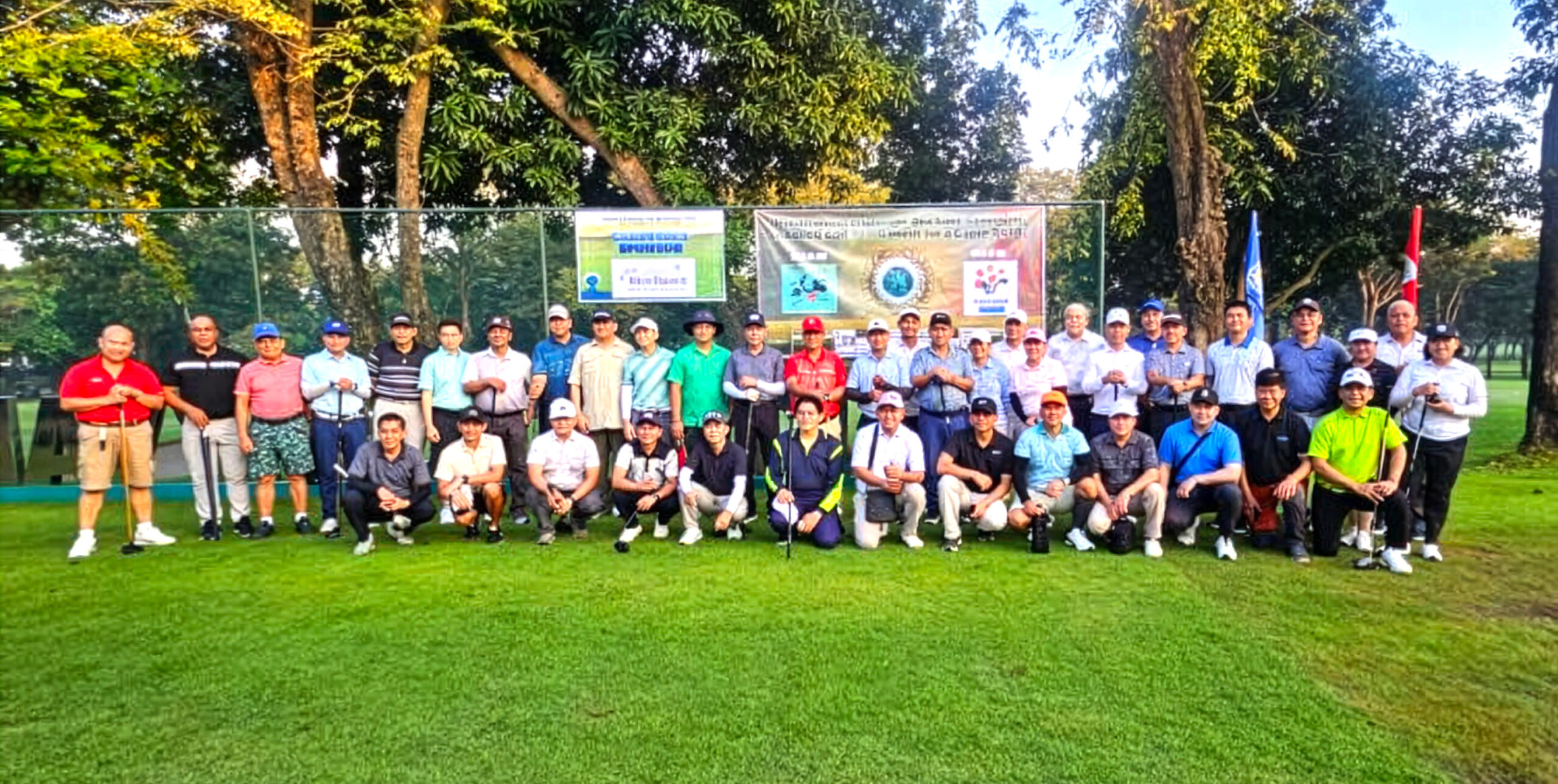
The first PASLCI Golf Tournament for a Cause was held on 02 December 2025 at the Philippine Navy Golf Course. The event brought together leaders, advocates, and friends in a day of camaraderie, sportsmanship, and shared purpose. Every swing supported PASLCI’s mission to uplift communities and strengthen programs that create lasting impact. Gratitude to all players, partners, and sponsors who helped make this first tournament a meaningful success. Highlights and stories from the fairway are featured here.