
Introduction
This paper is a reaction to the article entitled “Legalizing Foreign Highways through Domestic Waters Without Naval Budget,” published by Behind Asia on April 30, 2026. The article raises concerns that the enactment of Republic Act No. 12065 may expose the Philippines to heightened security and economic risks by effectively allowing foreign vessels—including military and industrial fleets—unrestricted transit through critical domestic waters without sufficient enforcement capability.
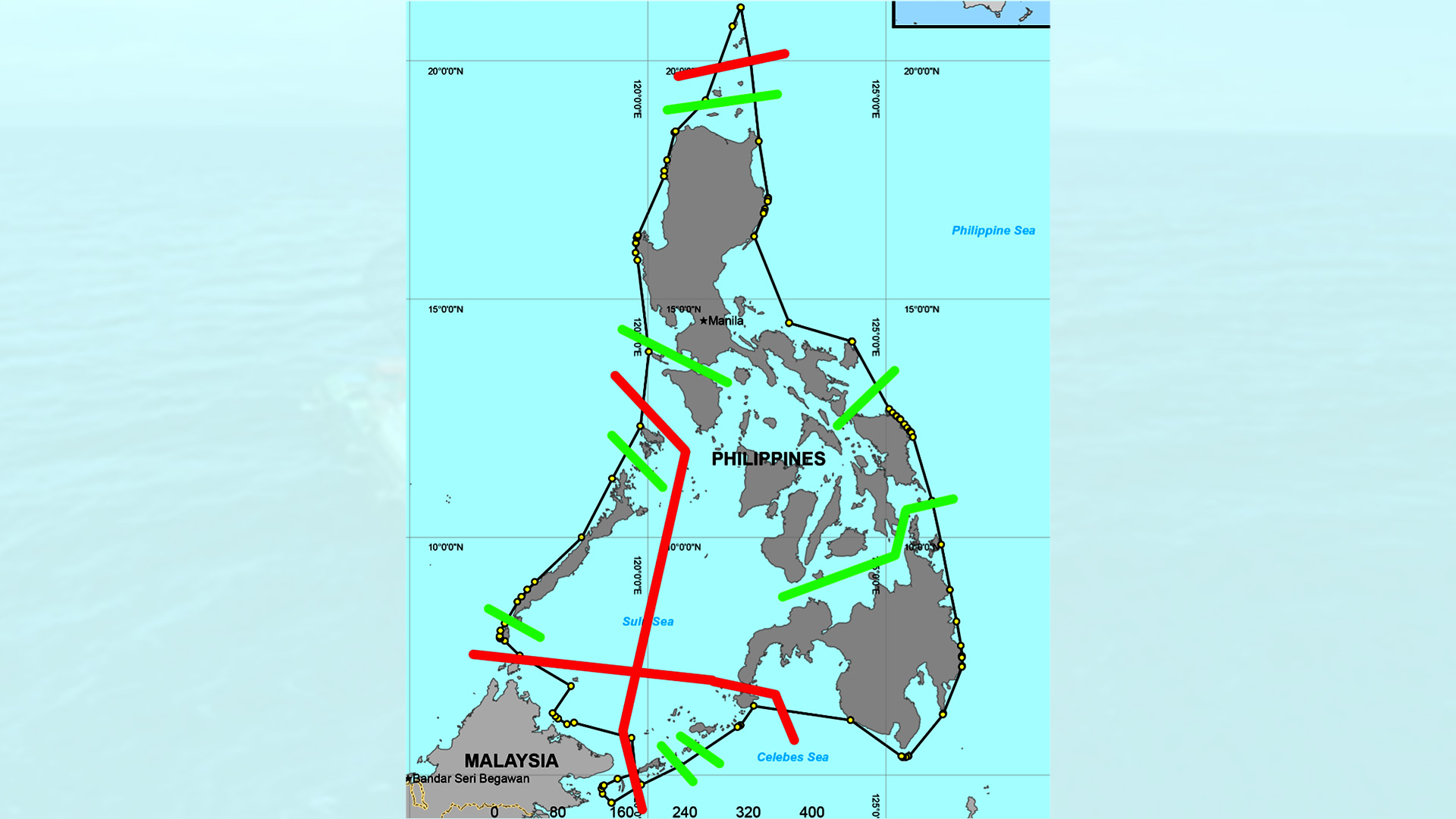
Figure 1: The three (3) red lines are designated Philippine Archipelagic Sea Lanes under RA 12065
While these concerns are not without basis, the argument reflects a partial reading of the legal and operational framework governing archipelagic states. In particular, it underestimates the implications of the United Nations Convention on the Law of the Sea, which already guarantees the right of passage through archipelagic waters, whether or not sea lanes are formally designated (UNCLOS Part IV, Articles 53–54). As such, the central issue is not whether the Philippines has “opened” its waters—because international law has long established that obligation—but rather how the State chooses to manage, regulate, and control such passage.
This paper advances the position that the designation of Archipelagic Sea Lanes (ASL) under Republic Act No. 12065 is not a surrender of sovereignty but a strategic mechanism for asserting control, enhancing maritime safety, and strengthening legal enforceability, consistent with the provisions of the United Nations Convention on the Law of the Sea. It further argues that the perceived vulnerability stems not from the law itself, but from gaps in maritime capability—particularly in surveillance, enforcement, and inter-agency coordination.
Moreover, this paper introduces a UNCLOS-compliant, cost-recovery revenue framework, emphasizing that cost-recovery revenues tied to safety and environmental protection are fees or charges collected by the government to recover the actual costs of providing maritime safety services and protecting the marine environment—not to make profit or impose a transit toll. This approach is consistent with international maritime practice and aligns with safety and environmental protection measures recognized by the International Maritime Organization.
In particular, these cost-recovery programs may be effectively generated through the establishment of Vessel Traffic Monitoring Systems (VTMS) integrated with Traffic Separation Schemes (TSS) and Aids to Navigation (AtoN), consistent with IMO-adopted routing measures and vessel traffic services guidelines (e.g., SOLAS Chapter V, Regulation 12). These systems can be strategically positioned along key maritime choke points where international vessel traffic is most concentrated. By channeling ships into defined corridors and providing real-time monitoring and navigational support, the State may lawfully impose service-based fees corresponding to the safety and traffic management services rendered.
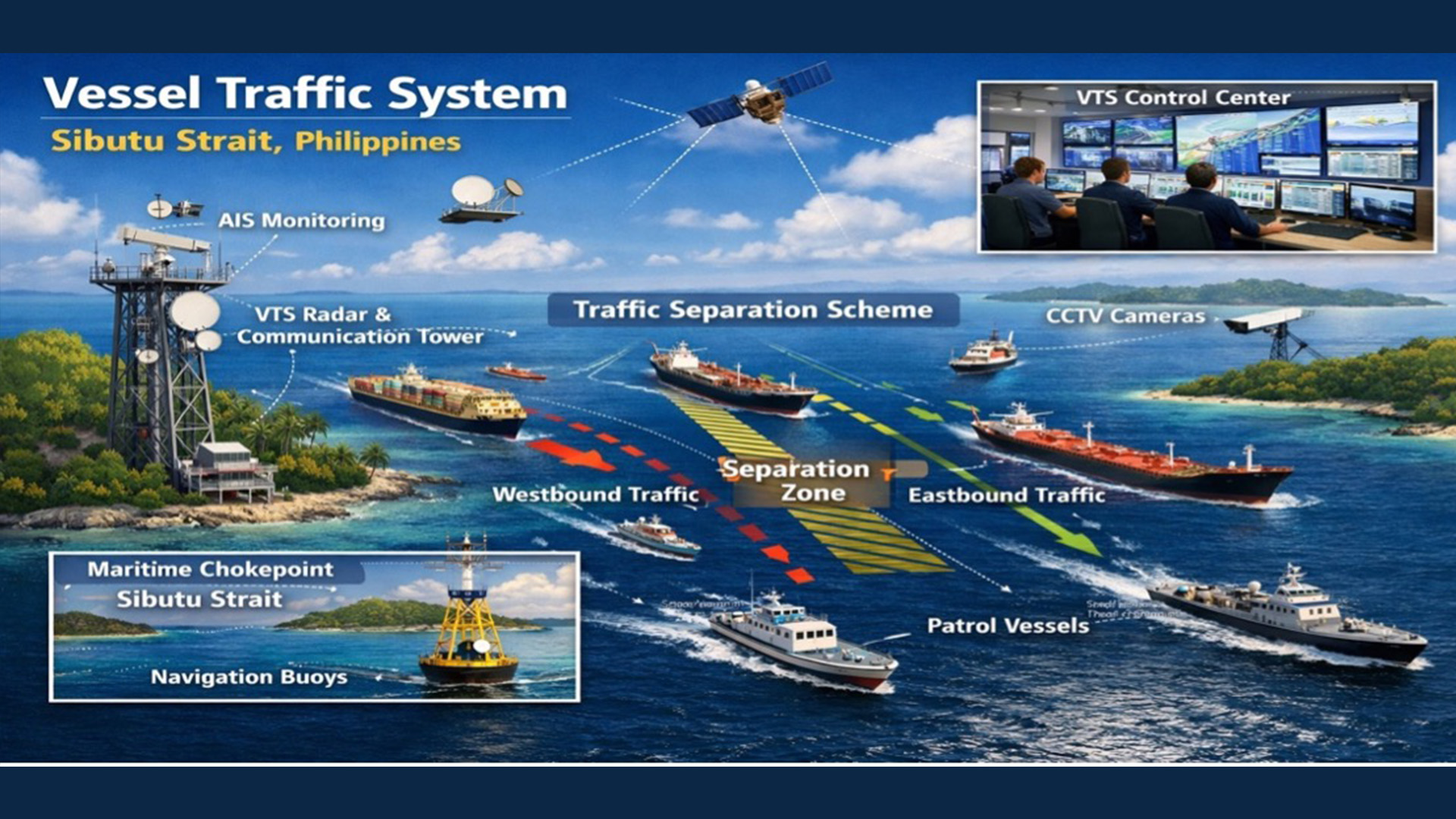
Figure 2: An illustration of a Vessel Traffic Monitoring System at Sibutu Passage, a critical maritime chokepoint where thousands of international ships pass each year.
Complementing this, a mandatory requirement for all vessels—both foreign and domestic—to secure pre-arranged contracts with accredited Oil Spill Response Organizations (OSROs), supported by adequate marine insurance (Protection and Indemnity or P&I coverage), is consistent with international liability and compensation regimes such as the Civil Liability Convention (CLC) and related IMO instruments. This ensures rapid and effective response in the event of maritime pollution incidents while establishing a sustainable, risk-based funding mechanism for national oil spill preparedness and response capability.
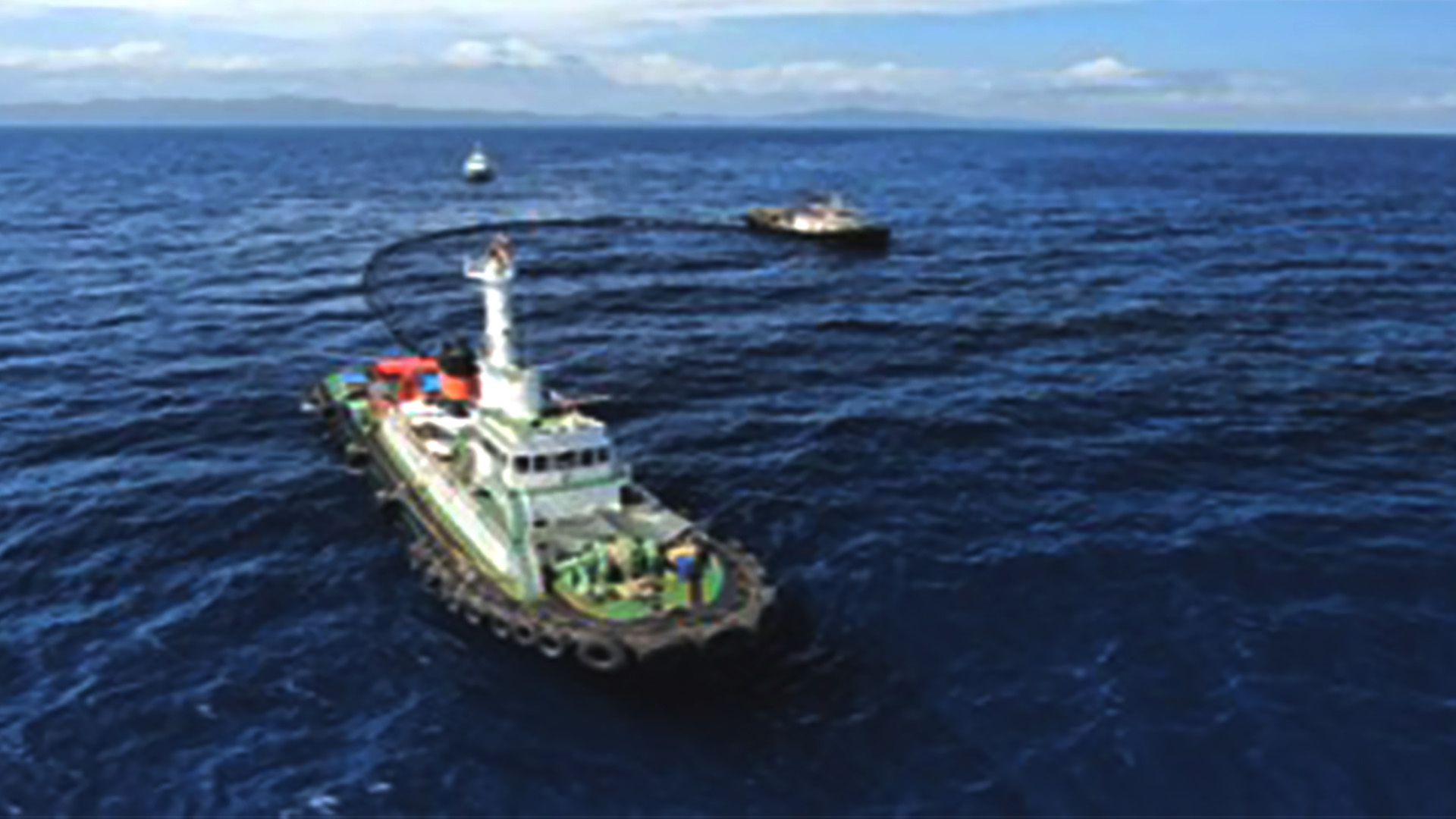
Figure 3: Oil Spill Response by Harbor Star to the M/T Princess Empress incident at Naujan, Oriental Mindoro
Taken together, these measures demonstrate that maritime governance need not rely solely on state budget allocations. Instead, through a carefully designed, internationally compliant framework grounded in United Nations Convention on the Law of the Sea and IMO standards, the Philippines can build a self-sustaining system that enhances safety, protects marine resources, and supports the modernization of maritime enforcement agencies such as the Philippine Coast Guard.
In this context, the discussion that follows provides a balanced assessment of designated versus undesignated sea lanes, clarifies legal misconceptions, and proposes a practical pathway toward structured control, sustainable funding, and strengthened maritime sovereignty.
References
- United Nations Convention on the Law of the Sea, 1982 – Part IV (Archipelagic States), Articles 53–54.
- Republic Act No. 12065, Republic of the Philippines, 2024.
- International Maritime Organization, Safety of Life at Sea (SOLAS) Convention, Chapter V – Safety of Navigation (Regulation 12: Vessel Traffic Services).
- International Maritime Organization, General Provisions on Ships’ Routeing (as adopted and amended).
- International Maritime Organization, International Convention on Civil Liability for Oil Pollution Damage (CLC), 1969/1992.
- International Maritime Organization, International Convention on Oil Pollution Preparedness, Response and Co-operation (OPRC), 1990.
- Philippine Coast Guard, policies and programs on maritime safety, VTMS, and marine environmental protection.
- Behind Asia, “Legalizing Foreign Highways through Domestic Waters Without Naval Budget.” https://www.facebook.com/share/p/1SNTmr7cnJ/